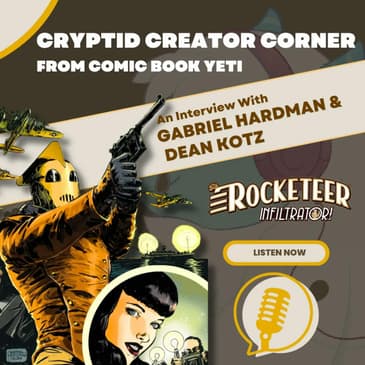

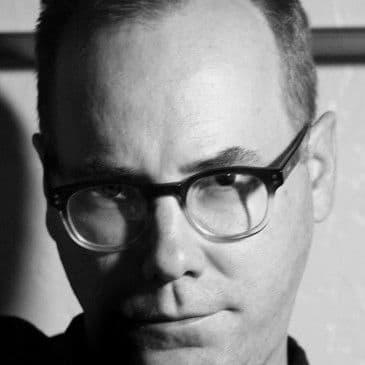
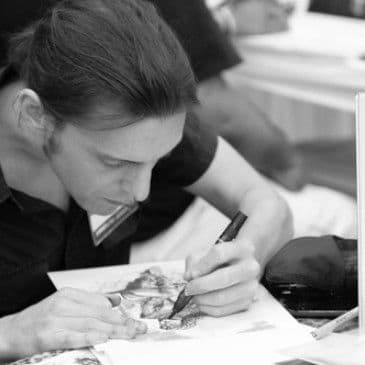
This is an incredible episode of the Cryptid Creator Corner as I chat with Gabriel Hardman and Dean Kotz about The Rocketeer: Infiltrator coming out from IDW on July 8th. It's the first time for both on the podcast so we discuss their journey in comics, their influences, as well as this current collaboration on The Rocketeer. Gabriel discusses his work as a storyboard artist and Dean talks about the horror comics that captured his imagination early in his life. It was such a treat to just sit and listen to Gabriel and Dean talk about some of the comic creators whose work they have admired over the years.
"I mean, the hardest part is just, I don't understand how he doesn't burn his butt off. I just... I still don't get that. I keep that in mind the whole time." - Dean Kotz
WATCH THE VIDEO VERSION OF OUR INTERVIEW ON YOUTUBE!
The Rocketeer: Infiltrator
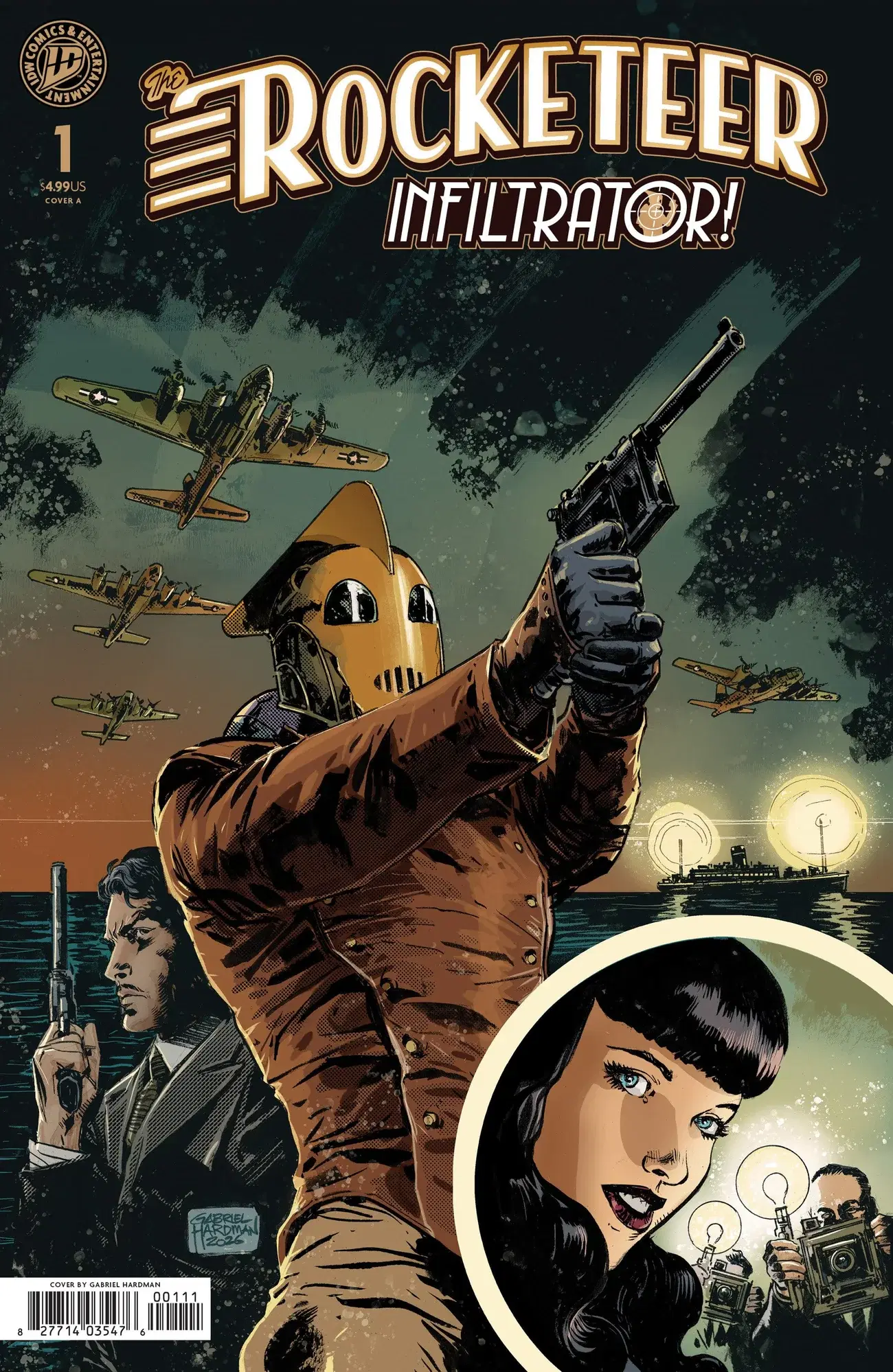
From the publisher
It’s the height of World War II, and Betty is a Nazi collaborator! Or so we’re led to believe. As Allied planes mysteriously explode in midair across Europe, rumors of a Nazi superweapon compel the U.S. to send its fastest asset undercover: the Rocketeer! With Betty posing as a defecting American actress in a German motion picture, Cliff Secord, a.k.a. the Rocketeer, accompanies as her brother and manager. And since neither has experience in deep-cover work, the Allies send a handler to support them—a debonair MI6 agent who assumes the role of Betty’s co-star.
The Rocketeer will need to maintain his cover, destroy a superweapon no Allied agent has actually seen, and keep Betty away from the handsome British secret agent with a penchant for beautiful women. It’s a lot for a reckless stunt pilot to handle!
Gabriel Hardman (Batman/Green Arrow/The Question: Arcadia) and rising star artist Dean Kotz (The Savage Sword of Conan, Black Hammer: Visions) team up to tell the most dangerous Rocketeer story yet!
Follow Comic Book Yeti
🔗 Comic Book Yeti LinkTree: https://linktr.ee/ComicBookYeti
For partnership and ad inquiries, please contact: thecomicsyeti@gmailcom
Follow your hosts
ARKENFORGE
Play TTRPG games? Make sure to check out our partner Arkenforge. Use the discount code YETI5 to get $5 off your order.
Make sure to check out our sponsor 2000AD.

[00:00:00] - [Speaker 0]
Your ears do not deceive you. You have just entered the cryptid creator corner brought to you by your friends at Comic Book Yeti. So without further ado, let's get on to the interview.
[00:00:11] - [Speaker 1]
The future is calling. 2,000 AD is the galaxy's greatest comic with new issues published every single week. Every 32 page issue of 2,000 AD brings you the best in sci fi and horror featuring characters like judge dread, rogue trooper, and more. Get a print subscription in 2,000 AD, and it'll arrive to your mailbox every week. And your first issue is free.
[00:00:35] - [Speaker 1]
Or subscribe digitally, and you can download DRM free copies of each issue for only 9 a month.
[00:00:42] - [Speaker 2]
That's 128 pages of incredible comics every month for less
[00:00:46] - [Speaker 1]
than $10. Head to 2,000 AD and click on subscribe now or download the 2,000 AD app and start reading today.
[00:00:55] - [Speaker 2]
Hello, and welcome to Comic Book Yeti's Cryptid Creator Corner. I am one of your hosts, Jimmy Gisper. I have two very special guests tonight. I think it's both of their first time on the podcast, which is kinda hard to believe because I've been fans of of both of their their work. They have a new issue of the rocketeer that is out.
[00:01:14] - [Speaker 2]
The rocketeer infiltrator from IDW. Issue number one will be out 07/08/2026. We're gonna talk all about it as well as anything else they are currently working on. But please welcome to the podcast, Gabriel Hardman and Dean Cott. Dean Thank Gabriel, how are guys doing tonight?
[00:01:31] - [Speaker 3]
Great. Great. Thanks for having us.
[00:01:33] - [Speaker 2]
Yeah. Thanks. Yes. So, I mean, my first experience was the rocketeer was the 1991 film. Since then, I have collected the the trading cards.
[00:01:44] - [Speaker 2]
I was big as a kid any movie that also had trading cards like I absolutely loved, but it wasn't until later and getting back into comics that I read some of the Rocketeer comics. But but by no means am I, you know, the Rocketeer expert, but I just always love the action adventure, the late thirties World War two setting of of the rocketeer. Got to read the first issue of Infiltrator. Absolutely loved it. It just I just I I kinda love the the take on it, almost the, like, behind enemy lines aspect of it.
[00:02:18] - [Speaker 2]
Why don't you just tell listeners what is the rocketeer, infiltrator, all about? Gabriel, do you wanna start?
[00:02:25] - [Speaker 3]
Yeah. It's it's a it's a little bit more a slightly more grounded spy, spy story than, than some of the other books have been. The Cliff and, and Betty are basically recruited as, undercover agents to, to infiltrate a film shoot in a German film shoot on the continent. And they they end up kind of embroiled in a a spy situation. There's a there's a, you know, there's a big mysterious project going on there.
[00:02:56] - [Speaker 3]
They need to figure out what it is, and they end up with, getting the help of a, of a of of a kind of debonair British agent who, who has echoes of, you know, of of of a character we can all imagine. You know? Yeah. But without being, without being obnoxious about the James Bond of it all. I I, you know, I I, you know, I wanted like, I mean, it is clearly set in an earlier time than those, those, and it's you know?
[00:03:24] - [Speaker 3]
And, I, like, I want the flavor of that and but not, you know, not to be just, like, you know, really obvious.
[00:03:32] - [Speaker 2]
Yeah. I I mean, you can definitely tell there is that nod to it. But, without giving anything away, when that that character does show up, it is, it it is a fantastic moment in the book. Dean, that seemed like it it just kind of jumped off the page, like, the the ending of it, but, there are a lot of moments throughout really just captured the the feel of the time period, and the characters, especially of Cliff and Betty. Is this your first time working on anything, the rocketeer related, Dean?
[00:04:08] - [Speaker 4]
Yeah. Definitely rocketeer related, but I've done a lot of stuff and a lot of period piece stuff. So I'm used to drawing, like, old cars and lots of old clothes. And, and Gabriel was great sending tons of reference, like, that really helped out, like, keep things consistent and accurate or somewhat accurate. Yeah.
[00:04:24] - [Speaker 3]
Well, I mean, I'm an artist too. Right? I want, you know, I wanna give the you know? I mean, I never want to, like, you know, lord it over anybody or tell anybody what to do. Right?
[00:04:34] - [Speaker 3]
I mean and you know? But I wanna put as much stuff in the script. And if they're you know, if Dean has a different way he wants to go with something, great. Like, I'm not gonna, like, you know, micromanage it. I like everybody should be doing they're doing their job.
[00:04:48] - [Speaker 3]
You know? But but, like, but I I definitely I'm super interested in the period stuff. I've always been into that stuff. Right? Like, even as a kid, I loved, you know, like, 30 stuff, the shadow World War two stuff, and the Rocketeer.
[00:05:03] - [Speaker 3]
I I mean, the the Rocketeer comics, I did, you know, read at least not the earliest ones because I didn't have access to a comic book shop, but, like, when Eclipse published an issue when you know, they all they all seem to come out from some different company. Like, it took so long to get, you know, to get the stories done. But but I but I definitely picked up, you know, Rocketeer comics off the shelf. I was always super into that world, and I and I am now. I mean, I love I mean, my one of my personal projects right now is a film noir a kinda noirish story set in 1947 in Los Angeles.
[00:05:37] - [Speaker 3]
I love the research of that stuff and and and, you know, creating, you know, a feel for the period, which is which Dean has done an amazing job with in this. Like, I'm so pleased with that. Like, I'm so pleased that that the the you know, because it's it's always something that bugs me in things when it doesn't feel period. So, you know, so the fact that this is working so well is is is really fantastic.
[00:05:59] - [Speaker 4]
I think it's it's, drawing stuff said in that time, in that thirties, forties era, it's so hard to not make an interesting drawing because the design industrial design around the whole country was so perfect at the time. Mhmm. I think, like, so much more interesting than today's boring utilitarian look of it.
[00:06:15] - [Speaker 3]
Yeah. Absolutely. Agreed.
[00:06:18] - [Speaker 2]
Yeah. Yeah. I I a 100% well, from the the opening, you know, the opening panels where we we see some Americans in I think they're Americans in you know, they're they're flying back from, like, over the North Atlantic. Yeah. And growing up, you know, I'm 47 and growing up and, like, my grandfather and all and my and his brothers and my grandmother's brothers, like, all fighting in World War two.
[00:06:46] - [Speaker 2]
Like, you and watching World War two movies, you you feel that you've grown up with that aesthetic and always seeing it. And I think sometimes the casual reader or consumer can take for granted, like, exactly how difficult it is to get a lot of that right in terms of the planes, the clothing, the weaponry. And I thought it I thought, Dean, you did an excellent job in those very first couple of panels. It felt very real. It felt very grounded.
[00:07:17] - [Speaker 2]
It felt very, very cinematic in in terms of the time period. I I thought it was excellent.
[00:07:23] - [Speaker 4]
Well, thank thank you. Well, it's hard not to be cinematic because Gabriel's, direction is very cinematic just in general, obviously, because he has, like, so much experience.
[00:07:32] - [Speaker 3]
Yeah. And I also I mean, and I come from movies too. Like, I I, you know, I work in movies, and I, you know, I I storyboarded, disclosure day that just the Steven Spielberg's movie that just opened. Like, I never wanna, like, I I want comics to be comics, you know, but I do certainly think about things in kind of cinematic terms. You know?
[00:07:48] - [Speaker 3]
I mean, like, I don't know how else I would. And, you know, and, I mean, I'm sure I put that in the script. I mean, I write full scripts even when I'm drawing it. So, like, you know, it's like Do you really? Yeah.
[00:07:59] - [Speaker 3]
This is my well, if it's a freelance thing. Right? Like, for, you know, less so for a creator owned thing, but I still write scripts. Right? Like, I I'm a writer.
[00:08:09] - [Speaker 3]
You know? And the, and and particularly with freelance gigs, if it's, you know, I even if I'm drawing it, I want the editors to know what I'm gonna do. Right? Like, I want them to I don't want to and particularly because I'm a little bit difficult in that. I'm like, I'm not gonna send you any layouts.
[00:08:29] - [Speaker 3]
I'm not gonna send you the pencils. I'm sending you the final pages, and then I'll fix stuff. Right? Like, I I I will I'll fix anything. That's a problem.
[00:08:38] - [Speaker 3]
Right? But I'm not it takes me too long to do those steps. I basically don't pencil things. Right? I work it all out in the script.
[00:08:46] - [Speaker 3]
It's all in my head, and then I just go straight to the finish to it when I'm, you know, when I'm doing it for myself. So, so, like, I don't wanna I don't wanna get in a situation where, like, people are surprised by something in in the, when I turn in the pages, and then I have to rework a lot of stuff. But, but I also just like the process. I like writing, and I feel like stuff comes out of it that, you know, is different from if I just, was kind of, you know, semi improvising the the comic as I went.
[00:09:16] - [Speaker 2]
Yeah. And both of you having worked with other types of characters that are, you know, part part of somebody else's intellectual property, you know, whether or not it was, like, the big two stuff or Conan stuff, Dean. What do you think with a character like the rocketeer that came out in the early eighties referencing, like, the thirties? Like, what do you think is still the lasting appeal of that character? And when you are taking on that character, what do you what is foremost in your mind to try and put your own stamp on, you know, on the this Dave Stevens creation?
[00:09:47] - [Speaker 3]
Well, I mean, for me, I wanna I wanna serve the material in a way where it still feels like the Rocketeer. Right? Like, I I still I don't I mean, I I love Dave Stevens' work. I, you know, I I love those early issues. I think that what we're doing is is kind of in tribute to that more than anything.
[00:10:04] - [Speaker 3]
And yet, I also feel like there's no reason to do this if we are doing something a little bit different. You know? And I feel like that about everything. Like, you know, all the all the comics that are freelance stuff that are, you know, that are based on IPs and everything, like, it's like, why do it if you're just gonna do the same thing that everybody did? But you still need to get that core feeling of it or else it'll it just won't be, you're just you're just doing some other book then.
[00:10:33] - [Speaker 3]
You know? So writing that line, I think, is what's really important about that. And, and I just you know, I I think that I almost don't have the perspective on what, you know, what's great about the Rocketeer in a sense because I have known for a long time. I'm so like, it the world of that kind of stuff feels so right to me. You know?
[00:10:56] - [Speaker 3]
The, I'm a huge Indiana Jones fan. You know? And, like and that was some you know, that came out when I was eight. I was, like, very, very influenced by that. You know, very influenced by Spielberg.
[00:11:08] - [Speaker 3]
Very I ended I storyboarded, Indiana Jones five, you know, over the pandemic. And, and so it was like, you know, like, that kind that world that, you know, is is just, you know, in my head, I feel like. And I and I, you know, and I I wanna stay true to it. Not Indiana Jones, but the world of thirties and, you know, the world period world of it.
[00:11:30] - [Speaker 2]
Yeah. How how about you, Dean, in terms of, like, when you approach this the character and the the style and certainly many different artists over the years have, you know, kinda made their mark on the rocketeer. Like, what do you think that you use with with your style or the way you approach comics or or or paneling or whatever it might be that you wanna kinda stay true to, you know, the rocketeer but put your own stamp on it? Like, what do you keep in mind to make sure that you're doing that?
[00:11:59] - [Speaker 4]
I think, it's so hard I mean, it's so hard following Dave, obviously. Like, Dave's work is so iconic. It's hard to, like, even view him any other way than that the character any other way than that. But I think, I just try to keep him more he's such an so earnest of a character. He's so, like, truth like, he just seems like he just wants to be, like, a good guy.
[00:12:18] - [Speaker 3]
Mhmm.
[00:12:19] - [Speaker 4]
And I think there's not a lot of brooding in his in his mannerisms. He's not gonna be, like you know, he's not gonna be the kind of hiding in the shadows with his, like, face all, like, you know, covered up. He's kind of, like, out there and and not cynical, and I think that's what I try to keep it earnest. And, like, like, the time period the movies of the time period were very, you know, upbeat and positive trying to be like, kinda like the whole war thing going on. And I think
[00:12:40] - [Speaker 2]
that's yeah.
[00:12:40] - [Speaker 3]
Yeah. Totally. And there's a there's a kind of buoyant charm to the, you know, to these, you know, these characters that you can't you know, if it if it gets too leaden, it does that doesn't feel like the rocketeer. Right? Even if this this story is a little bit more serious.
[00:12:54] - [Speaker 3]
I mean, we're not meeting King Kong or going to what you know? Like, I mean, it's a little bit more grounded. Right? But, you know, but you still I think you still need that kind of, and, I mean, that's as much why I think of, you know, Raiders, or, you know, the Indiana Jones movies, as, you know, as much as the period because that's that's all about, like, keeping this kind of charming souffle going. Right?
[00:13:18] - [Speaker 3]
But you know? And making sure that you don't make a misstep where it falls. And that that happens in those in in sequels to to those movies at times. Right?
[00:13:25] - [Speaker 4]
Yeah.
[00:13:26] - [Speaker 3]
And so, you know, the, you know, you you want to make sure that you're not, you know, you know, that that you're not you know, I mean, I can get my comics can get a little, you know, a little dark and a little gloomy at times. Right? But that's not that's that's not the only mode that I work in. Right? And I, you know, and I really like that, you know, like, the little bantery dialogue and the and and the charm is is a is a huge part of this.
[00:13:50] - [Speaker 2]
Oh, yeah. I I really like when they actually when you we see Cliff and Betty. And Cliff, you'll learn in the in the comic listeners early on. Cliff is kinda pretending to be, like, be her manager.
[00:14:01] - [Speaker 3]
Or And her brother. Yes. Cousin Her brother and her brother. Manager. Yes.
[00:14:05] - [Speaker 3]
But I like yeah.
[00:14:07] - [Speaker 2]
I really like how I really like in the scripting of it. And, Dean, I I love kinda how you you drew the the moments between them that it's very clear. Cliff really wants it to be anything else than him pretending to be Benny's brother. And I just really it's like a really simple moment, but it it brings such levity, you know, both in the in the scripting and in the art. I feel like it it helps sell the realism of of the story you're telling because it is a you know, and you said you're not, you know, facing off against King Kong.
[00:14:40] - [Speaker 2]
It is kind of a more grounded story. And I I really I really like that moment. Dean, one of the other things I wanted to say is I really like you know, if if you like comics, you've certainly seen plenty of characters fly. Dean, I really love how you draw Cliff, you know, the and and the rocketeer whenever he is in flight. Like, I don't know what it is, but you you you have one panel in particular where he's kinda, like, right out across the water, and it's just coming off the page.
[00:15:09] - [Speaker 2]
It looks it looks really great. Is that and then I I get I guess suppose you don't really have too much reference, for that. Is that something that, like, body posture of him flying that you worked on? Is that like, oh, I get this. I know what to do in order to make it look realistic.
[00:15:24] - [Speaker 4]
I mean, the hardest part is just I don't understand how he doesn't burn his butt off. I just I still don't get
[00:15:28] - [Speaker 3]
Yeah. Right? I keep it in mind
[00:15:30] - [Speaker 4]
the whole time. Like, this doesn't work.
[00:15:32] - [Speaker 3]
Yeah. Absolutely right. It's absolutely something that should be a rocketeer concern, and we just have to accept. Yeah. We have to accept that that's not gonna happen.
[00:15:43] - [Speaker 3]
Yeah.
[00:15:45] - [Speaker 2]
Oh, that's that's too funny. Dean, I I think I was reading. Did you go to you, studied art or or painting at Westchester University?
[00:15:54] - [Speaker 4]
Yeah. Outside of Philly. Yeah.
[00:15:56] - [Speaker 2]
Yeah. I'm I'm from Delco. So any anything anything Delco adjacent, I just anything Delco or Delco adjacent, I get I get really excited about. So Totally. And so I was just kinda curious that when I I read that.
[00:16:10] - [Speaker 2]
So what first got you, Dean, into into creating comic books?
[00:16:15] - [Speaker 4]
I mean, I just I loved them as a kid. I just was I mean, I I recently moved. I was digging through some old boxes, and I found a bunch of, rejection letters I got from, like, DC and stuff back in the, like, early nineties.
[00:16:27] - [Speaker 3]
Yeah. And say I have those too. Like, I of the same period too.
[00:16:32] - [Speaker 4]
Maybe some of them are not like, Mike Carlin actually, like, hand wrote, like, some, like, tips and, like, some you know, they're so nice and oh, whatever. It's just but I'm not I always wanted to do it and Yeah. It just kinda I drift away from it after a while, especially in the nineties. Comics are kinda bad. Yeah.
[00:16:47] - [Speaker 4]
And I, like, I got kinda sick of them, and I shouldn't say that too loud, I guess. But and then so I eventually, I came back around early two thousands. Things started getting really interesting again. I was like, let me try this again and just started submitting stuff to different publishers and small indie guys and then found a little work here and there and just been doing it since, like, 2009.
[00:17:04] - [Speaker 2]
Wow. Do you think any of those early comics, you know, like, reading, early, like, creepy things or ghostly haunts that your older brother handed down to you influenced your art art style at all? Or do you think there were other things that that influenced you as you developed your art style and then through college?
[00:17:24] - [Speaker 4]
I mean, it's it's so hard. I can't get those images at that late seventy that mid to late seventy stuff and then, like, just, I mean, like, Tom Sutton and all those all those crazy Charlton guys and, like, it just it just it, like, scared me as a kid. It really did, like, traumatize me. I would have, like, nightmares about some of the images I'd see in these comics. Like, in that I think it just stuck with me.
[00:17:46] - [Speaker 4]
And some I'll always kinda gravitate towards that sort of look, and I think that's why my stuff kinda looks a little a little sloppy in in some ways and rushing it in some ways because those guys were all, like, churning this stuff out, and I just can't I can't overcome that for some reason.
[00:17:59] - [Speaker 5]
Yeah. I mean, although, you know,
[00:18:01] - [Speaker 3]
this I mean, certainly speaking for myself, there's a lot to be said about things being a little rough around the edges and things not, you know, not being too perfect. And which is, you know, I mean, the Dave Stevens of it all is he was super perfect and
[00:18:15] - [Speaker 4]
Yeah.
[00:18:15] - [Speaker 3]
You know, and controlled and, you know but again, if we're you know, if it's just about doing, you know, like a Dave Stevens cover band, then that doesn't then you don't need that. You can go back and read Dave Stevens.
[00:18:28] - [Speaker 2]
No. I I get I get that. That I mean, that that makes sense. And I I think when you put together, I mean, at least in the first issue that I've seen, I I it feels referential. It feels like, oh, this is the eteer.
[00:18:39] - [Speaker 2]
I get it. But, yeah, I I I just really enjoyed it. I I really loved reading this this type of story. Most of like, a lot of the comics I I read, I read a ton of of indie stuff, and I've read I've read different spy comics and things, but, something like this has that retro feel, but it also has both the spy story elements to it and the action and adventure that just feels like, you know, a rip roaring good time. And, like, I love that escape part of it as well about comics, which I feel is, you know, fantastic.
[00:19:15] - [Speaker 2]
Sure.
[00:19:16] - [Speaker 3]
And I mean and Dean's done such a great job with just also just the character work. You know? I mean, with, you know, if, you know, if if, like, this making a comic is you know, we're both the storytellers. Right? We're not you know, it's not there's not this kind of, like, you know, this hierarchical division that they you know, that that a lot of people, like, push in comics.
[00:19:40] - [Speaker 3]
I mean, like, you know, the way like, telling the story visually is, like, equally as important as the script. Script. And, you know, and, like, you have to work you know, you're even if we're not even really talking about it, we're working together, like, to to tell this story. And if the you know, like, a lot of that character work is coming from Dean because it's, like, you know, it's it's on the page. It's visual.
[00:20:02] - [Speaker 3]
Comics are visual. You know?
[00:20:03] - [Speaker 2]
Yeah. One of the just to talk I wanna get back to the rocketeer. There's a couple other things I wanted to talk about because, Gabriel, you mentioned at at your work as a storyboard artist and a ton of the you know, I've seen a bunch of the movies from the projects that you've worked on over the years. And I I was just kinda curious that this is listeners, stay with me, but this is just more of a personal curiosity. Like, when you work as a storyboard artist, is there any type of, like, fundamental difference when you're working on something that is more action adventure or high concept versus when you're doing more of a comedic film?
[00:20:41] - [Speaker 2]
Because I know you you you storyboarded, I think, tropic thunder and the, the 2,009 land of the lost, which Oh, yeah. Right. Really I I liked I liked that one. I like it.
[00:20:52] - [Speaker 3]
I'm happy for you. So much. The like, the I I mean, I had a fine I had a fine experience on that movie, although, the reality of it was, there was a rider strike at the time. And, and so everybody else was out of work, but I was already working on that movie. And so I actually, like, wrote out the entire strike, working on that movie, which was kind of rare.
[00:21:15] - [Speaker 3]
So it was positive for me in that way. It kept me going. But Right. You know? Yeah.
[00:21:20] - [Speaker 3]
I mean, there are different approaches to it. Absolutely. I mean, like, I started out, The first movie I storyboarded was, the first Austin Powers movie, and a lot and a lot of the early movies that I worked on were comedies. And so then, you know, and there's a kind of visual approach to it. There's a, you know, just a kind of, like, visual strategies for making it effective.
[00:21:42] - [Speaker 3]
Right? Like, you you you wanna see things in comedies. You want wide shots and medium wide shots and things where you can see the, you know, like, the visual comedy of it. And, you know, the even, Tropic Thunder, which, you know, Ben Stiller is approaching in a more cinematic way. I mean, the director for the photography was John Toll who shot, you know, the thin red lion and stuff.
[00:22:04] - [Speaker 3]
You know? And, but the, but you still have to kind of serve the comedy in a way that's very different from when you're, when you're, like, working out action sequences.
[00:22:15] - [Speaker 2]
Okay. Yeah. Oh, that makes sense. I was just always curious as to, like, when when, you know, you see that with a storyboard artist, and I could see, you know, in terms of the different shots for, you know, action stuff. And I was just like, oh, I guess yeah.
[00:22:30] - [Speaker 2]
How does it it has it has to work the same way fundamentally in terms of, you know, a comedic film, especially something like tropic thunder where they're out there kind of, you know Yeah.
[00:22:38] - [Speaker 3]
Making a horror movie. It works, I mean, it works the same in that it's, it's all, you know, it's it's it's all are we telling the story? Is this clear? Is it you know, are we getting the idea across? But, you know, you get the idea across in different ways.
[00:22:53] - [Speaker 3]
You can, you know, you can undermine a comedy by you know, if you treat it like it's an action film. You know? So, like Okay. You know, even, I mean, there are angles to do that. Edgar Wright or somebody can, you know, has the ability to approach that stuff where it's, you know, it it it's it's comedic, but, you know, but they're but it's more aggressively shot.
[00:23:17] - [Speaker 3]
But I still, I I still think they're kind of, like, fundamental things where you need you just need to see more stuff in a, you know, in a in a comedy because the joke is not gonna land otherwise. Otherwise.
[00:23:28] - [Speaker 2]
Yeah. Yeah. Yeah. Okay.
[00:23:31] - [Speaker 5]
Jimmy is too humble to do this. So as his stalwart ride or die, I wanted to tell you about his new graphic novel, Penny and the Yeti with artist Amber Aiken. What started as a comic short with his daughter that I've known about for ages now and it's evolved and has become one of those annoying can't talk about it in comics things for too damn long. Yes, I'm predisposed to be supportive but after reading an advanced copy of it, I have to admit it's way better than I anticipated. No shade, but it's really good, remarkably so.
[00:24:02] - [Speaker 5]
Does it have a yeti? Yeah. Is it cute and adorable? Yeah. But it streak lies in effectively tapping into the all too familiar family dynamics that we all are facing in 2026 and approaching it in a way that doesn't insult the book's target audience, kids.
[00:24:18] - [Speaker 5]
They are way smarter and perceptive than we adults give them credit for. So I really appreciated Jimmy's narrative approach tapping into his own experiences as a dad and a spouse. I can hear his wife saying, get off your phone, Jimmy, through the pages. She's gonna kill me for saying that. It's hitting shelves on April 21, and I dropped the link in the show notes where you can preorder a copy today.
[00:24:39] - [Speaker 5]
Getty or not, here we come with Penny, Perry, Fenton, Maxine, and the magical, mythical, magnificent, Yeti. On behalf of us both, we appreciate your support. YOLOLA.
[00:24:54] - [Speaker 2]
Dean, inter a question for you I I wanted to ask. I had I had read somewhere that you had, like, a really strong early obsession with, like, Conan, especially the work of, like, Roy Thomas and and John Beshema. And I know you've gotten to work on some Conan comics. Like, what is that like when you have a character that has looked a certain way or that you've really loved and then you get a chance? Like, you know, whether or it's the rocketeer or whether or not it's Conan, like, to to to work on that property.
[00:25:26] - [Speaker 2]
Is is there more pressure to get it as as right as you think it should be because it meant something to you early on? Totally. Yeah. Totally. I mean, I I'm normally the short for savage sword.
[00:25:40] - [Speaker 4]
I was just like, I read through it so many times, and which is the worst thing you can do as an artist. You really shouldn't do that because it makes it dulls everything out, it loses all the, like, the verve, like, of of the work. But it just you can't help it because you just start sweating every little detail. You're like, this is my chance. And, like, you know, this is gonna some days, someone will look at this and be like, this you know, this will be in the same not in the same league, but in the same collection as, like, all those all those other great guys.
[00:26:02] - [Speaker 4]
They wanted to be pulled up a little bit.
[00:26:04] - [Speaker 3]
Totally.
[00:26:04] - [Speaker 4]
It worked. I a big I a big Dave Stevens fan, so it was intimidating when when drawing the Rocketeer for the first time. I was like, this is Sure. I mean, he's just that stuff is just it you cannot see it in your head. Every whenever you look at think of the Rocketeer, you see those covers.
[00:26:19] - [Speaker 4]
I mean, they're just great.
[00:26:20] - [Speaker 3]
Yeah. Absolutely. Who were who were your favorite, artists Conan wise? Like, what you know, who who are the artists that speak to you, who've worked on Conan?
[00:26:28] - [Speaker 4]
I mean, I I I love Barry's stuff. Barry Smith, of course. And then Work. Yeah. Surprisingly, I love Gil Kane's stuff, I think, is
[00:26:35] - [Speaker 3]
Oh, yeah.
[00:26:36] - [Speaker 4]
Underappreciated. I mean, he just he got the action right, I think, as you know? Yeah. He's a little too sick maybe. But
[00:26:43] - [Speaker 3]
I love Gil Kane. I love Gil Kane's work. I love the you know? I mean, I like the that kind of raw eighties era Gil Kane where he's inking with markers and stuff. You know?
[00:26:53] - [Speaker 3]
Like, I mean, it's probably what other people don't like, but I but there's something just like there's a there's a tension and a and a a something kinda crackly to the the feel of that that I that I enjoy. But I like I think I thought Gil King was great. I'm I'm I you know, I I I like it. John Bessema. Like, a big John Bessema.
[00:27:12] - [Speaker 3]
Sorry. Now I'm just talking about artists that I like. Please continue.
[00:27:14] - [Speaker 2]
That's okay. Hey. That's I mean I I have I have I have two comic book creators, two wonderful artists, like, on the podcast. I'll I'll just look. That's what we do.
[00:27:26] - [Speaker 2]
I'll I'll be a fellow listener. I'll just listen to huge
[00:27:29] - [Speaker 3]
Also, I mean, you admired. I've done a podcast. Like, I you know, the this guy, John Suntress, does his word balloon podcast, and, like, we cohost
[00:27:37] - [Speaker 4]
I love
[00:27:37] - [Speaker 3]
a lot. So, like, you know, so I end up, acting like a host sometimes. Also, I just talk too much when, when I'm on these things. So, but keep going.
[00:27:46] - [Speaker 2]
It's absolutely fine. Big fan of John and and word balloon. I listen to John. I listen to word balloon all the time. John's John's fantastic.
[00:27:53] - [Speaker 3]
Yeah. Lovely.
[00:27:54] - [Speaker 2]
Just I I love what he does for comics. I love I love whenever he's you know, whenever he has somebody who want to get into one of the other little topics that John loves, like, you know, old movies or old TV shows.
[00:28:04] - [Speaker 3]
That's basically what we do. Like, we just do this kind of side podcast that's about old movies and TV shows. It started out during the pandemic because, like, we, doing a a show about the original Outer Limits where we just covered every single episode of the of the original Outer Limits. Oh, man. You know, which was that was just like a thing where I was, you know, I was work I was drawing, and I was and I'm a big fan of the outer limits.
[00:28:28] - [Speaker 3]
And the and I was like, oh, I wish there was a podcast about the outer limits that I could listen to. Right? And then John was like, well, we should do it. And I'm like, well, that doesn't solve the problem. Then I'd have to do the work and, like, you know, be on the podcast and, you know, and as it turns out, do all of the research.
[00:28:45] - [Speaker 3]
But, the you know? Like, you know? But, the, this is just a joke between me and John. But the, it it but yeah. No.
[00:28:55] - [Speaker 3]
I mean, like, talking about, like, the talking about that sort of stuff is kind of like what we do. Now we just occasionally do them about, like, kind of obscure old movies that, you know, as many people have seen and stuff. Haven't done one in
[00:29:06] - [Speaker 2]
little while. No. Yeah. John John does a great job. I I love listening to to John's stuff.
[00:29:11] - [Speaker 2]
Outer Limits is great. But, actually, speaking of Outer Limits, and I can't think of the Outer Limits without twilight zone.
[00:29:16] - [Speaker 3]
Of course.
[00:29:16] - [Speaker 2]
Know that Gabriel, you have twilight zone that IDW has also been doing a new twilight zone series. They have been getting fantastic creators together to do, like, an issue. And I think it's a different creator or different team for every issue of the twilight zone. Yeah. So you were doing number eight.
[00:29:34] - [Speaker 2]
I was I was more so a fan of the twilight zone than than outer limits, but I I have a everybody. I'm in my basement. Yeah. But I'm in my basement. I still have a couple of collections of the DVDs over there that I would pull out and watch every once in a while, at least while the DVD player was still working.
[00:29:50] - [Speaker 2]
But yeah. So what was that like to you be to be able to do a twilight zone issue, and can you tell us, like, a little bit about what it's about? What was your approach to that type of, like, insular, you know, one and done storytelling? Storytelling?
[00:30:02] - [Speaker 3]
I mean, my, you know, it's it's weird because it's a it's approaching a kind of IP, I guess. But it, but there's, you know, there's no continuing characters. There's no, you know, there there's nothing about it that visually apart from the fact that I mean, wonderfully for me, the books are in black and white. Right? This is actually the main reason I wanted to do it because, not also because I wanted to tell tell a story in that world, and I was just excited about it, but you don't get the chance to make black and white comics very often.
[00:30:31] - [Speaker 3]
And, and so, like, you know, there that connects it to the to the twilight zone. But otherwise, I basically just did kind of a deep dive. I mean, I've I know the show very well, but I, you know, I've read you know, I went and I read some now my dog is barking. But, I I read some, like, you know, I have some some scripts, like some Richard Matheson scripts from, from twilight zone. I have, you know, I read through some Rod Serling stuff.
[00:31:01] - [Speaker 3]
And really, like, one of the things that I had just noticed about the previous, issues is that, like, you know, there's a there's a there's a part of, you know, obviously, Twilight Zone is known as a kind of, you know, you know, dark spooky fantasy series, but it but there's an enormous strain of kind of sentiment that comes from Rod Serling that goes through the show as well. And, you know, and so, like, even though that's not so much what I'm known for, I, you know, I kinda leaned into that and told a story that's almost kind of like a nice story in the twilight zone. You know? I mean, still, there's death. There's things that happen.
[00:31:39] - [Speaker 3]
You know? But, but, like, but I wanted to do something that was a little bit different from the other stuff that had, that had come out so far. And, it's a kinda story about, an elderly actor who, you know, who's never never had the career that he wants. There's another obviously, like, I have two different things with Hollywood stuff in them, but I also literally live in Hollywood. I mean, I I, you know, I work in Hollywood, but this I literally live in the neighborhood of Hollywood.
[00:32:07] - [Speaker 3]
So, the I and this is, you know, it's been part of my life. It's important to me. But the, but, like, it's a he's an elderly actor who never, never quite achieved anything because he, he did a terrible job in a, in a bad kind of Roger Corman ish giant, crustacean monster, movie in the fifties. Right? And so, he, and he's like, now he just goes around, like, doing little events where people laugh at the one movie he made and, you know, it's miserable for him.
[00:32:41] - [Speaker 3]
But he, he ends up kind of slipping back into the past and given the opportunity to maybe change how things went back then. And, you know, things don't work out the way he had hoped, but, it you know, it's a kind of know, you The Twilight Zone doesn't ever have any science fiction mechanism to it. It's just that a thing happens that, you know, like, an inexplicable thing happens, and you, you know, it's a it's a it's a kind of, slightly heartwarming, you know, time travel story that's also a little bit he basically he goes back to 1959. 1959 is the year the Twilight Zone started. And so it's kind of
[00:33:17] - [Speaker 4]
Okay.
[00:33:17] - [Speaker 3]
You know, a the it and there's a little bit of love letter to those kind of Bird Eye Gordon, Roger Corman, you know, junkie movies from the fifties as well.
[00:33:28] - [Speaker 2]
Oh, nice. That's awesome. Yeah. Yeah. Anyone that I talked to about, like, the twilight zone now, you know, who have might have just heard of it but never really, you know, got into it or saw it, but in reruns.
[00:33:40] - [Speaker 2]
I think don't realize that there was a strong element from Rod Serling of nostalgia or sentiment as you've said. Yeah. I mean, some of my I mean, two of my favorite twilight zone episodes. I'm not sure what this says about me. There's probably studies being done, like, if you depending on what you know, your type of personality depending on the twilight zone episodes you like.
[00:34:01] - [Speaker 2]
But
[00:34:02] - [Speaker 3]
Sure. Sure.
[00:34:02] - [Speaker 2]
Nothing in the dark and one for the angels are probably two of my favorite Yeah. Twilight set episodes. Sure. I mean, I like
[00:34:11] - [Speaker 3]
walking distance for especially for the, you know, the the Rats Erling written ones and, you know, and, like and I'm I'm a fan of all the Richard Matheson written ones. I think Richard Matheson was great, and, you know, I I I love his writing. But yeah. So I don't know. I'm really proud of this this comic, so, hopefully, people will pick it up.
[00:34:30] - [Speaker 2]
Awesome. Oh, yeah. Well, I'll I'll put a link into the show notes for for for all for, not only the rocketeer, infiltrator, but also any of the other stuff that that you have, coming out. Dean, I wanted to to mention to you. I know we're I'm bouncing around a lot, but, you know, it's my podcast.
[00:34:48] - [Speaker 2]
I'll do what I want. I was really a big fan because I love the Blackhammer series. And when they started Blackhammer Visions, you did the artwork for Blackhammer Visions number one with Patton Oswald, which is like a Golden Gale story. And I just thought it was, it was so beautifully done, and I thought, like, the synergy of you and and Patton Oswald and the rest of that creative team. It was such a wonderful issue of of a
[00:35:16] - [Speaker 4]
comic book.
[00:35:17] - [Speaker 2]
Like, what was your experience like, getting involved in that?
[00:35:21] - [Speaker 4]
I didn't have much interaction with Patton, but, I mean, the script he really nailed it with the script. I think he totally got that, you know, like, outsider geeky vibe that, you know, comic book fans have, like, you know, in in their community and, like, the whole growing up and, like, losing that innocence of, like, know, moving on to other things after graduation. So, I I mean, I just I think he just laid it out in the script so well that it just it show it show through in all every step of the production. And then Jason Wertie on on colors, and he always nails it. He does great work.
[00:35:53] - [Speaker 4]
So it's a lot it's a lot of fun.
[00:35:54] - [Speaker 2]
Oh, yeah. Jason Wertie is one of my favorite colorists. But, yeah, that that whole create creative team for that book, I love that issue. It was like one it it's still one of my favorite issues of of comics. I just really the the Golden Gale story was so great, and, yeah, you guys did a fantastic job.
[00:36:12] - [Speaker 4]
Thanks.
[00:36:12] - [Speaker 2]
Is there anything else, Dean, that you, you know, are are are working on or you have coming out that you can can mention? That's the tough thing about comics, because, you know, a lot of things are under wraps.
[00:36:24] - [Speaker 4]
Yeah. Well, Rocketeers keep me pretty busy for now. I just finished up right actually, concurrently with the first issue of Rocketeers. That was made me sweating even more, but, like, the dead by daylight for titan, that issue series with, Derek Friedhaus. It's about the hillbilly.
[00:36:42] - [Speaker 4]
So, that's issue three is coming out, I think, next week, maybe. I don't know. If you like horror, if you like video games, it's a lot of fun. There's a lot of killing of cows and livestock and, like, you know, typical nearby daylight stuff.
[00:36:55] - [Speaker 2]
Is it hard for you to switch, you know, as an artist from horror to action adventure to superhero? Does that ever I mean, Gabriel, I guess you can answer this too. Does that ever bother you at all? Is it just the job's the job?
[00:37:09] - [Speaker 3]
I mean, for me, it's about finding exactly what the feel of that particular book is. Right? I mean, it's not, you know, I don't I like switching between things. I mean, I like having somewhat different kinds of things going, although I think I I'd stay in a certain kind of lane unintentionally. But the, but I, I definitely feel like it's about like, I'm I'm big about, you know, just serving the story, finding the thing that expresses it best for the story, and, you know, and if that's, and probably people can't really tell the difference that I'm bringing to.
[00:37:42] - [Speaker 3]
Like, it probably just all kinda looks like I approach things the same sloppy way. But to me, it's, like, I I feel like it's different. Right? I'm coming at it from a little bit different way. The layouts, the, you know, the, you know, the and the stylistically to an extent.
[00:37:58] - [Speaker 3]
You know, I I think it's just finding that, and I think that's always interesting. It doesn't bother me to jump back and forth between things.
[00:38:05] - [Speaker 2]
Yeah. Yeah. Does it bother you, Dean?
[00:38:07] - [Speaker 4]
Well, I think it's like, by the time you get to, like, maybe the halfway into the first issue or the first 10 pages, so I think you start to see it in your mind, like, how it's actually gonna look all the way through. Mhmm. But those first ten, fifteen pages, whatever I'd say, yep. Like, you're kinda finding your way piece by piece as you, like, put it on the page.
[00:38:24] - [Speaker 3]
Yeah. Yeah. And I've always kind of like especially with my personal stuff, I will always end up kind of, like, reworking the first several pages of it just because there's parts that I didn't get right or I didn't find the feel yet.
[00:38:36] - [Speaker 2]
Gabriel, I I saw I think I don't know how long ago it was, but a a Reddit AMA or something you had done and talking about characters that you still would like to kind of, you know, get your hands on. And one was Hawkman or like a Hawk
[00:38:49] - [Speaker 3]
world before. Yeah. Yeah. Yeah. So I've been constantly What is the people with Hawkman thing?
[00:38:54] - [Speaker 3]
I don't know why I got on this. Like, I just I had an idea. I'm sorry. Like and, like and then I keep thinking that I wanna do this idea. You know?
[00:39:04] - [Speaker 3]
The which is not to say DC Comics wants to do it because they don't. But, like, or or at least, you know, at least I, the the editor said, Hawkman's not popular. We don't we're not gonna do that. You know? But whatever.
[00:39:17] - [Speaker 3]
Look. I feel like I could get there. I managed to get the I did this, you know, green arrow, question Batman book Arcadia that's finishing up now. And, like, the the last issue is coming out soon. And I pitched that for years going, I don't know.
[00:39:34] - [Speaker 3]
I think people like, there's certain kind of nostalgia for this particular era. I think that people would be into it. I feel like people were into it and, you know, but it took a while to convince them because they because they they look at stuff and they go, oh, the question isn't popular or this or whatever. But there are there there are people who love, you know, some of these characters. Right?
[00:39:53] - [Speaker 3]
I don't know if there's anybody who loves Hawkman, but I've got a great Hawkman story that's gonna change their mind.
[00:39:57] - [Speaker 2]
There you go. I I I love the weirder characters of of DC. Yeah. Just
[00:40:04] - [Speaker 3]
Same here. Same here.
[00:40:05] - [Speaker 2]
I love I love the ones that are just like the whoever created the character. Like, I don't know if they're just sitting in a bullpen, and they're just trying to figure out, well, what is this guy doing? And some of the characters, I just think the weirder, the better, like phantom stranger, creeper, just blue devil. Just Yeah. You know?
[00:40:23] - [Speaker 2]
Even some of the doctor Fate stuff is just bonkers, and I'm like, yeah. Give me more.
[00:40:27] - [Speaker 3]
Yeah. I I agree. I like that stuff. Doctor Fate's a character that's that's interesting to me. A lot of those kinda you know?
[00:40:35] - [Speaker 3]
This is the problem, though. When you go and pitch stuff with detective chimp in it, they're like, we can't sell a detective chimp book. Right? Like, you actually have to sell these books, which is part of the problem. Like, you can't you can't just pick out the character the goofball characters that you enjoy and try to put them together into
[00:40:53] - [Speaker 4]
the book.
[00:40:53] - [Speaker 3]
They're gonna they want they they need they need Batman in it as well. You know?
[00:40:58] - [Speaker 2]
Yeah. Well, I'm convinced yeah. I think, like, even when they did justice league dark, which had detective Chip, I think every, I don't know, every couple issues, I think maybe Batman or someone in the Bat family did did show up. Yes. And also that's you know, they're they're you
[00:41:13] - [Speaker 3]
know, you know, it's still it's going on a limb if you're if you're making a book with, you know, more obscure characters in it. I've, like, had a thing where I you know, I'm I've, it started as a joke, but, like, where, and then I started actually thinking about it, where there's this character called Manhunter twenty seventy that appeared in three issues in in 1970 that, Mike Zakowski wrote and drew. And, and, like, at at I you know, for a long time as a joke, I would tell people that that Manhunter twenty seventy was the book that I wanted to do at DC, and they just won't let me. But, like, the, but then, like, but then I, you know, but then after a while, I started thinking about it and, like, maybe I have a story for Manhunter twenty seventy. And then, like, you know?
[00:41:58] - [Speaker 3]
And then, like, it's never gonna happen, though. I mean, the Hawkman will happen before Manhunter twenty seventy. Trust me.
[00:42:05] - [Speaker 2]
Indeed. How about you? When you, you know, approaching your work and approaching, you know, freelancing in comics, working on other, like, IP or, you know, creator owned stuff. You know, I I I know that you've done, like, you did the butcher of Paris, which was based on a a real crime with with Stephanie Phillips. Are there characters that you still have that you're like, alright.
[00:42:27] - [Speaker 2]
One day, I'm gonna get to do this. You know, you've you've got the rocketeer now. You've got Conan. Do you still have your list of characters that you still wanna leave your mark on?
[00:42:35] - [Speaker 4]
There's a few, Ian. Hawkman's on the top of the list.
[00:42:38] - [Speaker 3]
So Oh, you have all this Hawkman talk then. Right? I mean, sure.
[00:42:43] - [Speaker 4]
Look. I love that Hawkworld series, and I cannot Yeah.
[00:42:45] - [Speaker 3]
This is what I'm inspired by. Like, the the I mean, like, the Tim Truman Hawkworld series and then the John Ostrander follow-up series? Yeah.
[00:42:53] - [Speaker 2]
Yeah.
[00:42:53] - [Speaker 3]
Great. Rough.
[00:42:54] - [Speaker 2]
Like that. I I love John Ostrander's work. I I love John's stuff.
[00:43:00] - [Speaker 3]
Yeah. No. I mean, I, you know, I mean, I wouldn't wanna like, again, I don't it's not like something I wanna remake exactly, but I would like to tell it space based, you know, I like sci fi stuff. I'd like to do a kind of space based Hawkman story that doesn't play in so much to the incredibly confusing Right. You know, mythological aspects that they're constantly trying to like.
[00:43:22] - [Speaker 3]
I'm told that they've resolved all this, but I'm I'm I'm unsure. And the but, but yeah. No. I mean, I I've like, I I don't know. I feel like we gotta do this Hawkman comic.
[00:43:32] - [Speaker 3]
I'll I'll figure it out. I'll tell you. I'm gonna go to San Diego. I'll go to that that DC mixer thing and start talking all the Hawkman again.
[00:43:39] - [Speaker 2]
Yeah. Hey. Look. If the Rocketeer infiltrator goes well, you you guys, you know, the world's your oyster. Sure.
[00:43:46] - [Speaker 3]
Right? Yeah. Yeah. Oh, sure. Comics.
[00:43:49] - [Speaker 3]
Yeah.
[00:43:51] - [Speaker 2]
Well, look. The the rocketeer infiltrator issue number one from IDW will be about they'll be out July 8. I'm gonna put also put links in the show notes. So if any listeners are not familiar with Gabriel or Dean's other work, you can go and pick up green lantern earth one, batman green arrow, the question arcadey of the twilight zone issue number eight, the g I joe silent issue, and, black hammer visions number one. Dean also did world of morris attacks with Jeff Parker.
[00:44:20] - [Speaker 2]
As I mentioned, the butcher of Paris with Stephanie Phillips, and his, work on, I think savage sword of, of Conan. But,
[00:44:28] - [Speaker 3]
yeah, Gabriel Lee, look look forward to our Hawkworld book.
[00:44:33] - [Speaker 2]
Yes. Absolutely. You heard it here first. Look look forward to their Hawk World book. But, Gabriel Dean, thank you so much for coming on the podcast.
[00:44:43] - [Speaker 2]
I'm such a big fan of both of your work, and this is a real treat to get to talk to you about it. So thank you.
[00:44:49] - [Speaker 4]
Thank you.
[00:44:49] - [Speaker 3]
Thanks for having us.
[00:44:50] - [Speaker 2]
Alright. Listeners, you know what to do. Rate, review us, do all that fun stuff. There'll be links in the show notes so you can make sure you tell your local comic book shop that you wanna get, your copy of, all four issues of the rocketeer infiltrator. Thank you so much for listening, and, I will see you next time.
[00:45:08] - [Speaker 2]
Good night.
[00:45:08] - [Speaker 5]
This is Byron O'Neil, one of your hosts of the Cryptid Creator Corner brought to you by Comic Book Yeti. We hope you've enjoyed this episode of our podcast. Please rate, review, subscribe, all that good stuff. It lets us know how we're doing and more importantly, how we can improve. Thanks for listening.
[00:45:28] - [Speaker 0]
If you enjoyed this episode of the Cryptid Creator Corner, maybe you would enjoy our sister podcast, Into the Comics Cave. Listen and subscribe wherever you get your podcasts.