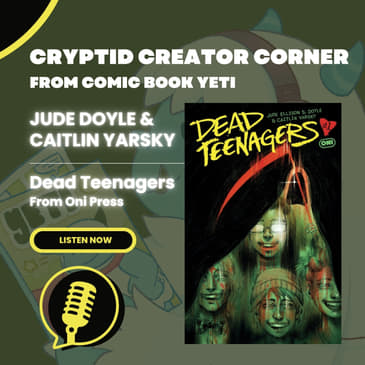

It's a brand new Cryptid Creator Corner as Jude Doyle and Caitlin Yarsky return to the podcast to chat about their new series with Oni Press: Dead Teenagers. Issue #1 will be out 3/18. Return to 1997 and the senior prom (hey, that's when Jimmy graduated high school) as 5 friends are trapped in a nightmarish time loop. Jude, Caitlin, and Jimmy discuss the series, the fun and fashion of 1997, plus there's 1997 trivia! This conversation goes to some interesting, unexpected places and you're not going to want to miss it.
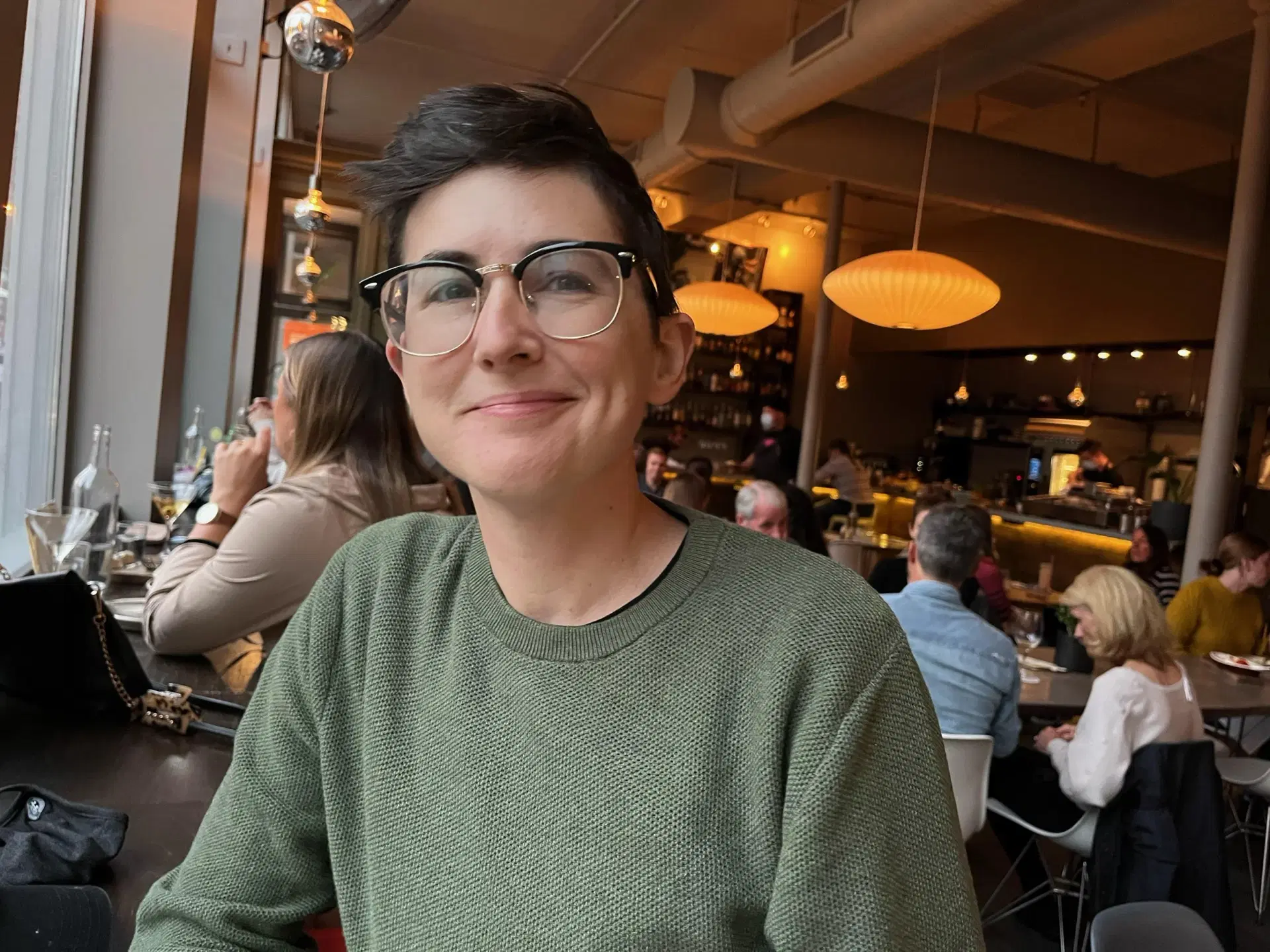
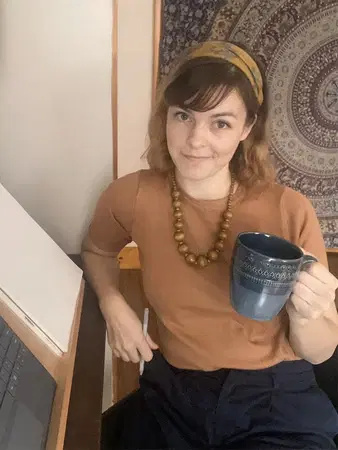
Follow Caitlin Yarsky on Bluesky
WATCH THE VIDEO VERSION ON YOUTUBE!
Check out Dead Teenagers at Oni Press
From the publisher
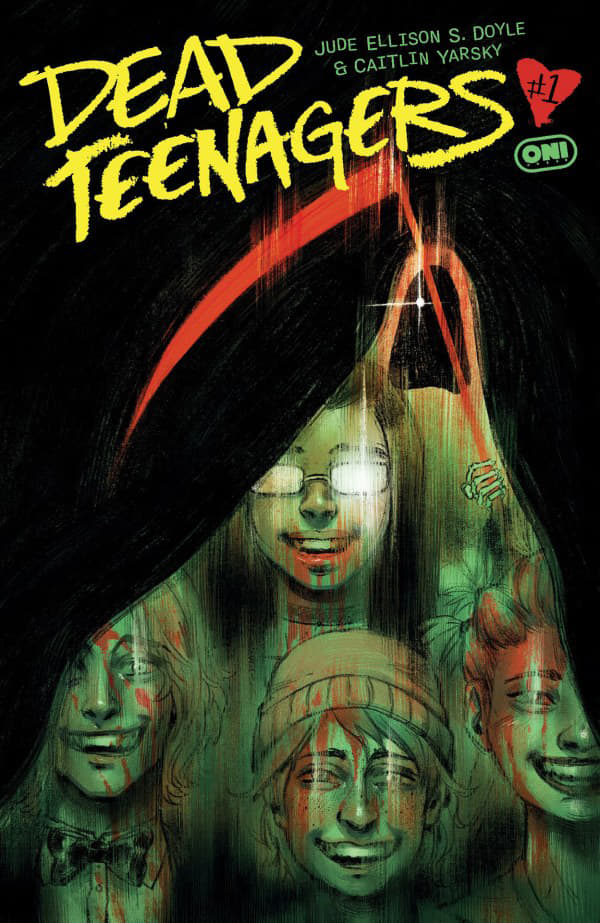
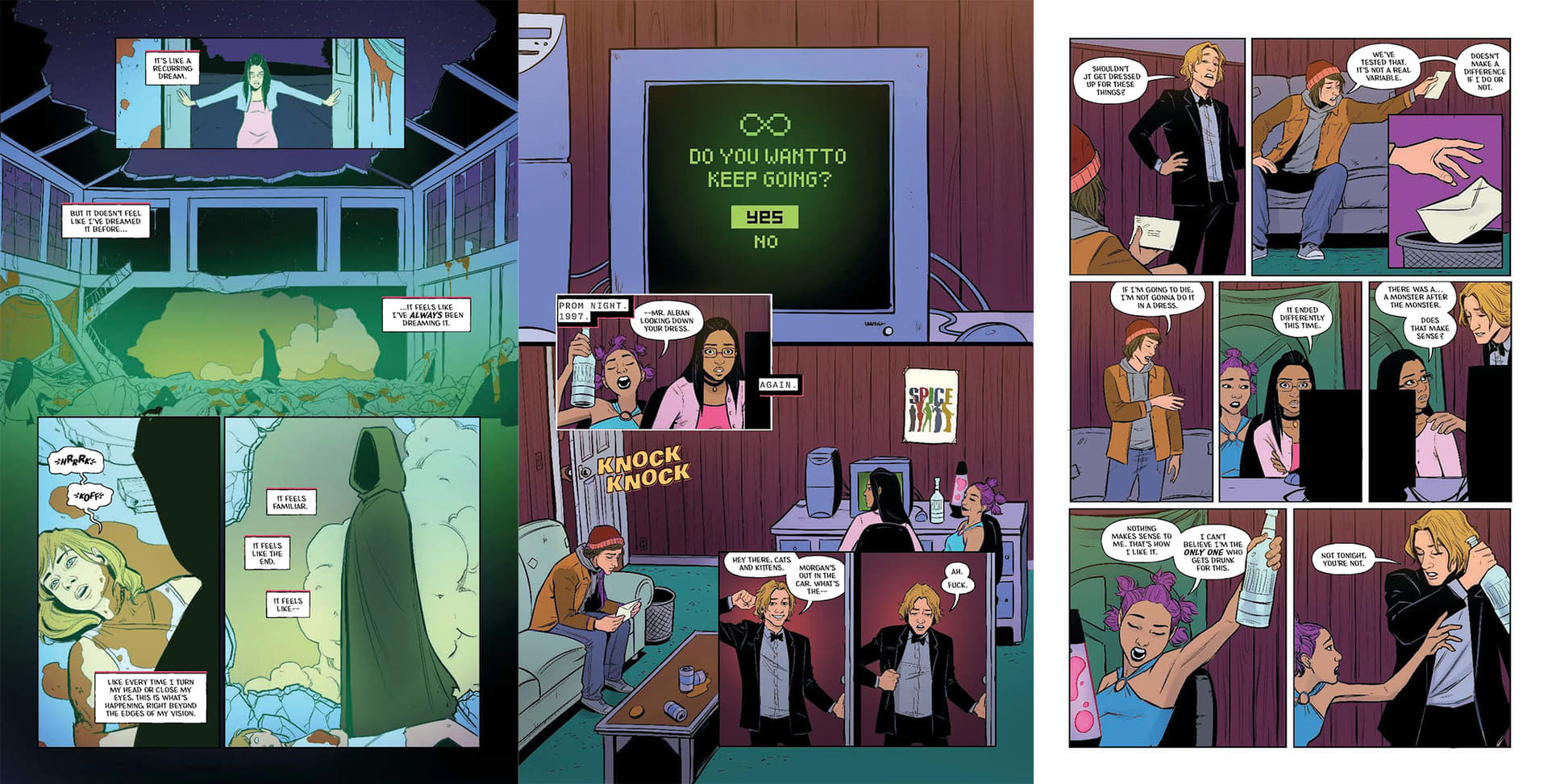
THERE'S NO ESCAPING HIGH SCHOOL! Since 1997, five friends have been trapped in the ultimate nightmare as a mysterious entity forces them to relive their first prom night over and over again... and re-kills them in new and increasingly insane ways each time. They dress up. They party. They make out. And no matter what they try to change, they always die... until now. Something is about to break the cycle that has kept Alicia, J.T., Ryder, Brandy, and their group of friends locked in a bizarre purgatory beyond all understanding... but what they find on the other side will be the most disturbing revelation of all.
Hell is the '90s in this brash and brutal, genre-distorting ode to the generation that gave us Scream and Buffy the Vampire Slayer — and what's become of them since — as GLAAD Award–nominated writer Jude Ellison S. Doyle (Maw, Be Not Afraid) and hyper-talented artist Caitlin Yarsky (Black Hammer Reborn, EC's Cruel Universe) unleash the year's most clever and compulsively page-turning horror thriller.
Preview pages
Follow Comic Book Yeti
🔗 Comic Book Yeti LinkTree: https://linktr.ee/ComicBookYeti
For partnership and ad inquiries, please contact: thecomicsyeti@gmailcom
Follow your hosts
🔗 Jimmy Gaspero: https://bsky.app/profile/jimmygaspero.bsky.social
🔗 Byron O’Neal: https://bsky.app/profile/byrononeal.com
ARKENFORGE
Play TTRPG games? Make sure to check out our partner Arkenforge. Use the discount code YETI5 to get $5 off your order.
Make sure to check out our sponsor 2000AD.

[00:00:00] - [Speaker 0]
Your ears do not deceive you. You have just entered the cryptid creator corner brought to you by your friends at Comic Book Yeti. So without further ado, let's get on to the interview.
[00:00:11] - [Speaker 1]
The future is calling. 2,000 AD is the galaxy's greatest comic with new issues published every single week. Every 32 page issue of 2,000 AD brings you the best in sci fi and horror featuring characters like judge dread, rogue trooper, and more. Get a print subscription in 2,000 AD, and it'll arrive to your mailbox every week. And your first issue is free.
[00:00:35] - [Speaker 1]
Or subscribe digitally, and you can download DRM free copies of each issue for only $9 a month. That's 128 pages of incredible comics every month for less than $10. Head to 2,000 AD and click on subscribe now or download the 2,000 AD app and start reading today.
[00:00:55] - [Speaker 2]
Hello, and welcome to Comic Book Yeti's Cryptid Creator Corner. I am one of your hosts, Jimmy Gasparro, and I have two guests with me today. And I am very excited because they're returning guests. One, he was on with Byron before for two episodes. This is actually the third time that Jude Doyle is back on the podcast, and we also have returning Caitlin Yarski.
[00:01:19] - [Speaker 2]
So, Caitlin, how are the two of you doing today?
[00:01:23] - [Speaker 3]
I'm really well. I'm so excited to be back. I'm excited to have not flunked out the first two times.
[00:01:29] - [Speaker 2]
Yeah. I, I know, Caitlin, you and I, when when you were on before, we got to talk about living hell, which I just absolutely adored. That was a lot of fun, and I loved all four issues of of that series. But the two of you are now working together on a new book that comes out March 18, 2026. It is called dead teenagers.
[00:01:54] - [Speaker 2]
I got to read the first issue. I I have so many questions that I know because I don't wanna spoil anything that I I can't ask Quaffer recording. But what a fun that's, like, the first thing that jumped out at me. Like, what kind of, like, a fun story to figure out what exactly is going on? And, I mean, talk about a first issue comic that leaves you in a place where I am in, like, a a high state of anxiety, to get issue two and find out what happens next.
[00:02:35] - [Speaker 2]
But why don't you tell listeners what dead teenagers is all about?
[00:02:41] - [Speaker 3]
Dead teenagers is about five friends who are going to prom in 1997 again and again and again in a seemingly infinite loop, and they are killed by a new horrible creation every prom night. And they are trying to figure out exactly how they got stuck in this liminal zone and what, if anything, is gonna shift it.
[00:03:06] - [Speaker 2]
Yeah. I really liked I mean, the trying to figure out where I, like, was in the story, like, what exactly is happening is, like, the first couple of pages kind of revealed themselves, I thought was a lot of fun. And, I mean, I Caitlin, I wanted to ask you because there is a series where because it's a loop, we see how some of these loops end in really horrific ways. I don't even wanna spoil any of them because, like, as I got through each panel, it was, like, so much fun. But, you know, Caitlin, coming off of, like, living hell where you you, you got to do, you know, some things that were, well, for lack of a better word, like, hellish, but then to really like, some of the things you had to draw in this.
[00:03:51] - [Speaker 2]
Like, what was was that what was your experience having to, like, dig in and and I it's so hard to talk about some of these things that you had to draw, but, like, they seemed very different than some of the other stuff maybe you've done before.
[00:04:09] - [Speaker 4]
Yeah. I mean, it it there's a lot of absurdism and and gore, but also kind of like cartoon gore, you know, like, you know, what what do they call it in movies? It's when it's like gory, but it's not like serious.
[00:04:24] - [Speaker 3]
Yeah. It's like slapstick violence on those.
[00:04:26] - [Speaker 4]
Yeah. Exactly. So there's some of that, but you still want it to be serious enough that you that you go, oh, I hope they get out of this, but you don't want it to be, like, traumatizing to look at. So it's kind of, like, riding a little bit of a of a line there. But, yeah, there's been a lot there there have been a lot of twists and turns where, like, every couple pages, I'm like, oh, we're doing that.
[00:04:46] - [Speaker 4]
Okay. Wow. Never drawn that before. But it's been a it's been a fun challenge.
[00:04:53] - [Speaker 2]
But so so, Jude, I'm assuming, you know, if the story originally, kind of started with you as the writer, What was the reason that you wanted to start this in 1997? Was there something about the culture or the time where, you know, that you wanted to focus on that era? I'm just kinda curious because I graduated high school in 1997. So that was that's my senior prom.
[00:05:25] - [Speaker 3]
Yeah. I'm I'm class of 2000, so I'm a tiny bit behind you, but not really. And it was the nineties where, like, you know, I was a teenager and I was super into horror movies. And when I think about bad slasher movies, like, instinctively, I want to locate them there. Like, I mean, not even like, Scream was good because it was self aware, but then there were a whole lot of, like, post Scream ones, like urban legend or whatever or, like Yeah.
[00:05:51] - [Speaker 2]
I saw I saw them all. I saw them all.
[00:05:55] - [Speaker 3]
Like, I still know what you did last summer, and
[00:05:58] - [Speaker 2]
yeah. Uh-huh.
[00:05:58] - [Speaker 3]
Can't just, like, kill a guy and then get away with it multiple summers in a row. But Yeah. Yeah. So I that to me was like, if I'm going back to adolescence, I don't think I could tell you what it was like to be a teenager in any other decade. But I also just like, I wanted to work from a familiar vocabulary and like stupid teen slasher movies up to about 1997.
[00:06:24] - [Speaker 3]
That's like that's those are the rules that I know. After that, everything gets more advanced and complicated, and it scares me because I'm old. But
[00:06:33] - [Speaker 4]
yeah.
[00:06:33] - [Speaker 2]
No. I I like, instantly yeah. Just in terms of me, like I said, like, was I graduated high school in '97. So I was right into it. It was like prom 1997.
[00:06:43] - [Speaker 2]
I, once once I recovered, you know, from the the initial the the triggering response of remembering senior year 1997, and I was able to push that aside. I was able to stuff it back down until my next, the next time I went to therapy. I was able to really enjoy the fun of the comic. And I don't say that flippantly. I love therapy.
[00:07:09] - [Speaker 2]
It's great.
[00:07:09] - [Speaker 4]
There's a movie called eighth grade or something, and I can't watch it. I'm like, would not like like, something about middle school is just, like, the worst years of your life, and everyone is so horrible to each other that I'm just like, I cannot watch that movie. I'm sure it's really good. I mean, do
[00:07:28] - [Speaker 2]
it. I mean, there is something about it when you, you know, the there are those those those moments that just, I don't know. I think everyone has them whether or not it's middle school or high school that just kind of, you know, haunt you at times. But, yeah, I that just you know, it was fortuitous when I read it. It just instantly took me into it.
[00:07:50] - [Speaker 2]
And I thought, oh, that that's fun. This is my senior prom. Like, this is like I get this time period. But beyond that, what I I really loved Alicia's, voice because I think the I think that's the character who kind of you're you're kinda read reading the narration of. And I really liked her.
[00:08:15] - [Speaker 2]
It really I really liked her approach to and I really liked your the dialogue in terms of getting the reader into the story, helping the reader kind of figure out exactly what's going on. I kind of like how she was letting you know what happened in the different versions of the loop with the characters. Like, there's there's so there was, like, a an awareness, like, almost a dryness to how she was saying it that I I found very funny at times even though these terrible, horrible things were happening. So instantly felt that I I I just connected to that character. And, yeah, it's just was there in the development of it, was there ever a thought in terms of centering it on somebody else, or was there something about, like, what you felt you needed from the character of Alicia to kind of propel the story forward?
[00:09:12] - [Speaker 3]
Well, I think that I think you you're talking about Alicia's sort of, like, over it quality, and I think that is really interesting. Well, I'm not gonna say my own writing is interesting. I think it's important as perhaps generationally important. But, it's important as a way to get us into the narrative because we started sort of like they've already been through something like 18,000 loops together. You know?
[00:09:38] - [Speaker 3]
So they've already been in this zone for about twenty years by the time we meet them. And I wanted to capture that thing about I mean, I think another reason I said it in the nineties is that, like, I think most of us who are that age have the experience of looking back at our own growing up and going, wow. That was not normal. That was not I would not approve of that if my kid was going through that today. And I wanted her to be someone like that, someone who was just, like, so used to living with this ridiculous amount of violence in her life that it almost didn't even register anymore.
[00:10:13] - [Speaker 3]
It was just like the daily grind. And but I think that the thing about high school and, you know, certainly pop culture about people in high school is that, like, you tend to start with characters slotted into their neat little roles. And Alicia is, like, the most normal character compared to everyone else. She's the most centered. She's the most grounded.
[00:10:32] - [Speaker 3]
She's the most, quote, unquote, relatable. And as the story moves forward, I think I can say that the loops get knocked a little bit more off kilter, and we're kind of left spending more and more time with the characters who aren't so normal and aren't so well adjusted and aren't so used to having their stories centered. I think there's five people in this for a reason. Hopefully, every one of them gets, you know, enough space for you to understand why they are who they are and what it means for them to survive growing up.
[00:11:02] - [Speaker 2]
Yeah. I I mean, I I I understand that. I think that, I'm curious to see because I really like, you know, all the characters. I think you have a a very interesting cast of characters here to see, you know, what eventually, may or may not happen to them. I really felt the mystery of the whole thing, was you know, I I like the idea of trying to you know, this is a comic that I my the wheels are spinning in terms of trying to to get ahead of you guys where I'm just trying to be like, well, what is it?
[00:11:40] - [Speaker 2]
Is it like, is it a video game? Is it a what is happening? Is it some type of, like, some type is there what is the reason for the time loop? Like, what you know, I I I love trying to to do that aspect of it, and I just feel like there's just enough little things in this to to were so interesting. Yeah.
[00:12:00] - [Speaker 2]
I I I really I really loved it, and I went into it. I think Byron had first posted about it on social media, and he was excited about it. And I said and Byron is, has been taking a break from the podcast for a bit. So he was the one like, oh, I think you should reach out to Jude and Caitlin about it. So I but I didn't read anything else about it.
[00:12:24] - [Speaker 2]
I just said, alright. If Byron says, it sounds great. Okay. Sure. Some whatever this is, dead teenagers, let's go.
[00:12:32] - [Speaker 2]
And I'd went in totally blind. And I just thought, yeah, it was it was a it was a real blast. Like and I yeah. I I haven't had that much fun in a in a while with with a comic and trying to figure it out and what the deeper I I use you on the podcast, especially with something that we don't wanna spoil. It's tough to talk about, you know, themes and what you're trying to get at in one issue, but it's definitely something that I can't wait till it all plays out and see where it goes.
[00:13:02] - [Speaker 3]
And, I mean, this is like Caitlin's art does so much of the work here because it's so hard to write something that is both fun and scary at the same time. Normally, like it's like, you know, oil and water. They they have to like, the funny parts have to be really funny, and the scary parts have to be really scary, and it's so hard to do that tone. But Kayla was able to do this thing where, like, every one of the gross parts is genuinely gross. She just sent me a picture of a clown that's gonna haunt my dreams.
[00:13:34] - [Speaker 2]
Let's pause for that, by the way, and maybe laugh really hard.
[00:13:39] - [Speaker 3]
I think you've summoned him. I think he's, like, an important entity. You brought him forward into our reality. But but, you know, but it's also just it's bright and colorful and fun to read, and, like, the character acting is really good. I just think it's it he really knocked it out of the park.
[00:13:58] - [Speaker 3]
It was a beautiful, beautiful book.
[00:13:59] - [Speaker 4]
I mean, it was easy. Like, you know, the story is so much fun and so crazy and and, intriguing that it wasn't it wasn't art to, like, get lost in it. So it was it was a blast.
[00:14:11] - [Speaker 2]
But, Caitlin, was your approach to this different than, like, other comics? Do you always have the same approach when you sit down to, like, work from a script? Or I mean, in terms of, like, how was the collaboration between the two of you, you know, for the story, Caitlin?
[00:14:24] - [Speaker 4]
I mean, it's always different depend you know, because everybody works a little bit differently. Jude had, some really great reference docs that he sent over. So I got to I had like some, you know, I had like a starting off point, which was great. And, you know, and it was a very different vibe than anything else I've ever worked on, I think. So it was a nice change of pace.
[00:14:49] - [Speaker 4]
And also, you know, I mean, I'm I graduated high school in o '3, but, you know, I still remember the nineties pretty vividly. So it was kinda definitely in, like, in my wheelhouse in that way, where I was like, oh, yeah, I know this fashion, I know these, like, this, this time period pretty well. And, yeah, and I agree. I think there was there's a lot here that kind of alludes to all the things that we dealt with growing up that were not That weren't part of the conversation, and just the In social circles, or in anything, because it just wasn't like kind of pre internet, and it just wasn't normalized yet. So there's a lot of like trauma, and a lot of things that people would just kind of like, gritted and fared, you know, because they didn't know how else to deal with it.
[00:15:42] - [Speaker 4]
Like, like, therapy wasn't normal. That wasn't a thing. That was like, if you did therapy, you were like, people looked at you weird. It was like you couldn't know, people were embarrassed to say they did it. And now it's like, if you don't do it, it's a red flag.
[00:15:56] - [Speaker 4]
You know? So, yeah. Definitely different But
[00:16:02] - [Speaker 2]
no. Yeah. That definitely definitely a different time. Yeah. So when you are working on some of the, I guess, the the more the the grizzlier scenes of this.
[00:16:18] - [Speaker 2]
And I'm curious, what what were some of the the reference? Was it in terms of, like, the fashion of the day?
[00:16:23] - [Speaker 4]
Yeah. It was the fashion. It was, you know, it was the the the you know, like like, I Know What You Did Last Summer kind of like thrillers and and slashers and things like that, that I actually had to kinda like look into a little bit, because I didn't really watch a lot of those. The closest I have is like WB stuff from, you know, like Buffy and Charmed and things like that. I mean, Buffy is, like, very close to Mara, which is I mean, creators aside.
[00:16:51] - [Speaker 4]
But the the story is is, like, I know that universe inside and out, and it has a lot of similar themes in terms of, like, you know, it opened up a lot of dialogues at the time. And it also, like, kinda strode that, like, line between horror and comedy really well, so there was that. And then I remember, like, my stepmom told me this, and it's a little embarrassing to admit, but like, Goosebumps got me into really into reading. And that was kind of like the proto, like, dead teenagers kind of slasher stuff. Right?
[00:17:31] - [Speaker 4]
Like, this constantly killing kids and teenagers all the time. It was like goosebumps, then you graduate to fear fear fear Street. Fear Street.
[00:17:39] - [Speaker 3]
Yeah. And Christopher Pike. No. R. L.
[00:17:42] - [Speaker 3]
Stine is, is from my hometown, so he was really held up to us as, like, one day, kids, if you work really, really hard, you can be just like R. L. Stine.
[00:17:52] - [Speaker 2]
Oh my gosh.
[00:17:54] - [Speaker 4]
He's really prolific. I mean, I I remember being afraid of the bathroom for a really long time because he was constantly killing cheerleaders in the bathroom in, like, a really creative, horrific way.
[00:18:09] - [Speaker 2]
I think that's a common fear for the fear of the bathroom. You know, for one reason or another, my brother Bobby who is the crypted creator corner's number one most dedicated fan, my brother Bobby, also class of 2,000, listens to all my episodes. He's gonna kill me for telling this story. But when Bobby was a kid and had when we lived, when we'd moved to a to a new house I mean, I say he was a kid, but I think he was by the time we moved, he would maybe eight, nine, you know, ten. If he had to use the bathroom upstairs, like, at night, he would want somebody to sit on the top step outside the bathroom.
[00:18:49] - [Speaker 2]
Sorry, Bob. Dead teenagers is really good. I'll make sure to get a copy for you and put it in our pull list, but, yeah, he's gonna be mad about that.
[00:18:58] - [Speaker 3]
You I'll tell my fraternal bathroom story. For my brother and I, it was the the tapeworm man episode of the x files, where there's just, like, the man eating tapeworm in the slippers. Yeah. Flukeman. Right?
[00:19:12] - [Speaker 3]
Just, like, stick the handle of the plunger into the toilet to make sure that there was there were no tapeworm men in there?
[00:19:18] - [Speaker 2]
Yeah. No. That was a terrifying episode. Yeah. Absolutely.
[00:19:25] - [Speaker 2]
And because this is '9 1997, the can we play some 1997 trivia? Does anyone know what the the according to Billboard's year end hot 100 singles of '97, what the number one song was?
[00:19:42] - [Speaker 3]
Was that the year of the Macarena
[00:19:44] - [Speaker 2]
or no? No. Macarena, I believe, is earlier.
[00:19:48] - [Speaker 3]
Macarena is probably '96. I'm gonna say '96. Maybe I'll get called out by the historical accuracy fans. Who who had the
[00:19:57] - [Speaker 2]
hot spots? Know this. This this surprised me that this was I I just I just went on Wikipedia to their year end hot 100 singles '97. I was very surprised by I'd never would have got this, but I'll throw it out there to see if we have any
[00:20:12] - [Speaker 3]
Wait. What's the Spice World?
[00:20:14] - [Speaker 2]
It was not Spice World. Yeah.
[00:20:17] - [Speaker 3]
Two misses in a row. I'm really It I'm reminding my own credibility here.
[00:20:22] - [Speaker 2]
It was it was not another good guess. It was not Savage Garden. It was candle in the wind 1997 by Elton John.
[00:20:33] - [Speaker 3]
Oh, yeah. Alright. I didn't really think of that as a jam, but I guess that was that was a popular it was a mom jam, I think.
[00:20:41] - [Speaker 2]
Yeah. I I I I think so. I think so. But, yeah, I just I was I was curious as to because I was thinking of music and thinking of, like, oh, I was trying to remember, like, what what songs were played, like, at my prom? Like, what were we?
[00:20:59] - [Speaker 2]
And so I I don't really remember. The the things you have to look up as a writer. Well, I guess it's the same with artists. I guess it's the same with an artist, you know, Caitlin, in terms of the things you might have to Google for, you know, for reference.
[00:21:18] - [Speaker 4]
Yeah. Like But Definitely, like, fashion magazines, catalogs, just, like, all those those commercials that everybody remembers, like the jingles too and everything for, like, kids toys and weird snacks that don't exist anymore. No?
[00:21:35] - [Speaker 3]
Were you Caitlin, did I act did I actually send you this, or did someone constrain me when I was just sending, like, terrible outfits from teen movies? Like, every terrible outfit Jessica Alba wore in Never Been Kissed, where she's just like she's going to science class, and she's got, like, a crocheted bikini top, and it's lime green. And then she's got, like, bright neon lime green bell bottoms. Every scene, she's in a different all neon outfit, and it's terrifying.
[00:22:07] - [Speaker 4]
Yeah. Meow meow, the bright colors, like the Clarissa explains it all kind of color palette was like Yeah. Yeah. It was a lot.
[00:22:16] - [Speaker 3]
Just like for Brandy, who's one of the characters, and she's sort of like the party girl, and she's also like the token popular girl because I don't think a lot of these kids were that popular. Yes. Look look Jessica Alba.
[00:22:32] - [Speaker 2]
Yeah. Listeners, I I just jump scared everyone by doing screen images from Jessica, from Never Been Never Been Kissed and, yeah, Jessica album. And that's an outfit. That's Yeah. That's something.
[00:22:47] - [Speaker 3]
Oh, I forgot that it's like paisley or it's possibly snakeskin, but it's it's deeply patterned, and it's just, like, an unfortunate combination of colors. There's a belly chain. You know? There's there's a lot happening. There's a full gallery of her over there.
[00:23:05] - [Speaker 3]
She's she's a fashion icon.
[00:23:08] - [Speaker 2]
Oh, yeah. Absolutely. Yeah.
[00:23:11] - [Speaker 4]
Chokers, though. I think chokers are cool.
[00:23:13] - [Speaker 3]
Chokers, we should bring back the chokers. Although now, I have an eight year old daughter, and, like, they all dress like cool girls in 1994. Like, they're all wearing, like, chokers and, like, T shirts under their dresses and floral prints. Yeah. And it's just like, that's fine.
[00:23:30] - [Speaker 2]
That's Yep.
[00:23:31] - [Speaker 4]
You know?
[00:23:31] - [Speaker 2]
Even, like, even kids slightly older. Like, my my 13 year old, I I she had on kind of, like, baggier jeans, and I don't think the boots were Doc Martens, but they looked like Doc Martens and, like, a a short T shirt and a choker. And I'm like, you look like your mom in 2002. What are you doing?
[00:23:54] - [Speaker 3]
Yeah. It's popular? It's such a jumpscare where you're just, like, walking around and you see a teenager who looks like they came out of a CK one ad. They're just like walking. It's like, that's a time traveler.
[00:24:05] - [Speaker 3]
I've fallen I've fallen back into the loop, and I'm confronting my own past now.
[00:24:11] - [Speaker 4]
K. That's my only like like lighthearted beef with Gen Z is when they're just, like, they're just, like, millennials want or or Gen x, like, wanna be like us. And I'm like, you guys are dressing exactly how we who's copying you here?
[00:24:26] - [Speaker 2]
Oh, yeah.
[00:24:27] - [Speaker 4]
But enjoy yourself. I mean, I'm happy for you.
[00:24:30] - [Speaker 5]
Alright, everybody. We're gonna take a quick break.
[00:24:31] - [Speaker 4]
We'll be right back.
[00:24:35] - [Speaker 5]
Y'all, Jimmy, the chaos goblin strikes again. I should have known better than I mentioned I was working on my DC Universe meets Ravenloft hybrid D and D campaign on social media. My bad. He goes and tags a bunch of comics creators we know, and now I have to get it in gear and whip this campaign into shape so we could start playing. Another friend chimes in, are you gonna make maps?
[00:24:56] - [Speaker 5]
It's fair to say it's been a while since I put something together, so I guess, question mark? It was then that I discovered Arkham Forge. If you don't know who Arkham Forge is, they have everything you need to make your TTRPG more fun and immersive, allowing you to build, play, and export animated maps, including in person fog of war capability that lets your players interact with maps as the adventure unfolds while you, the DM, get the full picture. Now I'm set to easily build high res animated maps, saving myself precious time and significantly adding nuance to our campaign. That's a win every day in my book.
[00:25:32] - [Speaker 5]
Check them out at arkinforge.com and use the discount code yeti five to get $5 off. I'll drop a link in the show notes for you, and big thanks to arkin forge for partnering with our show. I think I'm gonna make Jimmy play a goblin warlock just to get even.
[00:25:49] - [Speaker 3]
Welcome back.
[00:25:50] - [Speaker 2]
I I had no idea when we started this that we were going to be talking about the fashions of of of 1997 and reliving those high school days.
[00:25:58] - [Speaker 3]
Like, I love teen media, but I also just, like, I love the historical time capsule of it where you can see, like, everything that was regrettable about the decade. And I really wanted to capture that. I wanted to be like, this is the nineties, and it's not the nineties that's been curated. This is like pleather pants, fake skin jackets. Somebody saw the matrix, and now they're dressed like, you know
[00:26:25] - [Speaker 2]
Yeah. Like Keanu. I'm I'm obsessed with the idea, that, like, do you know when you're in it, like, regrettable it's going to be? You know? Like, when, like, when we like, in the nineties and we looked back at, you know, twenty years ago in the seventies, and we're like, oh my gosh.
[00:26:47] - [Speaker 2]
Look at that some of that fashion and how terrible it was. Why was this paired with that? And then, like, you look back, and I'm like, like, were there people that were knew that, like, color me bad? Like, they didn't look good. Right?
[00:26:59] - [Speaker 2]
Like, their music their their music was fine, but, like, you know, how they dress, like, that realized that that fashion was just, like, not great, or is it just, like, in the moment you don't know? That's what people are doing, and it's it's fine. I'm kind of obsessed with that idea. Like, will we do we look back the February and see how regrettable some of that stuff is? In 2040, are we gonna be like, what were we doing in the twenty twenties, guys?
[00:27:24] - [Speaker 2]
What were we thinking?
[00:27:25] - [Speaker 3]
Yeah. I'm having the opposite effect. I watched waiting for Goffman, which is, like, 1994 because Kathie Mejera died. And I like, quirky Saint Clair is supposed to be, you know, this very regrettable, pompous, like, I came from New York, and now I'm, you know, directing community theater. His fashion's supposed to be terrible.
[00:27:41] - [Speaker 3]
He's wearing, like, a halter sweater vest, turtleneck, and it's it's a great look. I would wear any one of his looks.
[00:27:51] - [Speaker 4]
We quote that movie at my house all the time.
[00:27:55] - [Speaker 2]
Yes. Yeah. Oh, I I I love all of those movies, but, yeah, Waiting for Guffman's amazing.
[00:28:02] - [Speaker 4]
Yeah. The, I hate you, and I hate your birthday. I'm gonna go home and I'm
[00:28:10] - [Speaker 2]
gonna bite my pillow. That's what I'm gonna do.
[00:28:13] - [Speaker 3]
Yeah. He goes from zero to 60 a lot, like he does. He he turns on people. Meh. Like, I think that that's kind of the thing is that, like, you can look back at all of this and you can regret it and you can poke fun at it.
[00:28:26] - [Speaker 3]
Or you can, like, give yourself grace and be like, you know what? That was the best available at the time. I wore 50 shirts on top of each other throughout the two thousands because that was what we did, because that was how you showed that you were a rebel. And, you know, I don't I don't judge myself for that. Those were the choices that were available to me.
[00:28:47] - [Speaker 3]
And now with the wisdom of adulthood, I can wear only maybe, like, three or four shirts, and that's enough for me. You know?
[00:28:55] - [Speaker 2]
Yeah. Like, three or four shirts all altogether or three or four shirts at once?
[00:28:59] - [Speaker 3]
Yeah. I'm not I'm not going back to single shirts. I I've lived through the deposits. I
[00:29:06] - [Speaker 4]
I think about how arbitrary fashion is. And just, like, just in general, like, like, throughout the decades, like, I I I just think when people like, I'm at the the age now, right, where I'm, like, looking at what the kids are doing, and I'm like, why? Why are you doing that? But I'm like, it's also just like, it's all arbitrary. It's all the same nonsense.
[00:29:27] - [Speaker 4]
Like, it just kind of cycles into, like, we we haven't done this in a long time, so let's do that. And it's just like and then suddenly, ten years later, that's not cool anymore. And I'm like, it's all it doesn't make none of it makes sense. It's all arbitrary. Yeah.
[00:29:40] - [Speaker 3]
Yeah. It's all just people trying to find their place in the world and trying to be what the world wants them to be. And eventually, like, you get to a place where you're like, I understand. I I too know human insecurity. Insecurity.
[00:29:51] - [Speaker 3]
I I also also wanna wanna be loved. I would wear that if I thought it would make people love me. That's fine. You know?
[00:29:58] - [Speaker 2]
Yeah. Yeah. At the end of the day, that's all it is. We just we just we're just doing what we can because we wanna be loved. Yeah.
[00:30:04] - [Speaker 2]
I I I don't doubt that. To get back to talking a little bit about some of the other stuff in in in dead teenagers, other than the nineties slasher influence, and this is a, you know, a question for both of you. What other either, you know, films or other particular aesthetics, like, influenced the development of the comic?
[00:30:26] - [Speaker 3]
I was really trying to pull from what I loved about the entertainment I loved in the nineteen nineties. There was a lot of, like, overly smart teenagers, not just in, not just in movies, but, like, in comics too. Like, I was a big, like, x men person, and I love the x men because they were superheroes where, like, 80% of a script sometimes would just be them, like, hanging out and, like, making salad and talking about their lives. Like, I love the willingness to just slow down and shoot the shit. I loved the brightness and the color of it.
[00:31:02] - [Speaker 3]
Some of this is going back even further back into, like, the eighties. Like, I was thinking about how if you look at cheap horror from the eighties, so much of it looks better than, like, anything that's made today because they had, like, no budget. But what they had was a willingness to, like, light everything in bright neon lights and just, like, make it really visually strange and spectacular to distract you from how cheap it was. You know? So, like, the brightness and the color of it and the dynamic quick pacing of it.
[00:31:35] - [Speaker 3]
The nineties was when people really liked to be talky. I'm starting to, like, really regret that I emulated that because now we're, like, doing layouts, and I'm like, oh my god. I many words for this page. But, yeah, it I I wanted to sort of have that tone. Not to rip anyone off, but, like, I wanted people who grew up with this stuff to feel comfortable in it and to feel welcomed in it and to feel like their references were being played to so that if I'm not spoiling anything, later on in the series, we can go back and sort of fuck with those references and ask why you're so comfortable with them and whether there isn't anything better you could refer to.
[00:32:21] - [Speaker 3]
You know? It has to, like I'm very much ambivalent about my own nostalgia cycle and the cultures where, like, sometimes I really do just listen to the same five albums I've known since I was 14. But I also recognize that that's like me refusing to engage with the world and trying to feel safe and trying to build a version of my own past that's a lot better than my past actually was. You know? And I think Yeah.
[00:32:45] - [Speaker 3]
Again, without spoiling too much, that is a lot of what dead teenagers is. It's building that escaped little world and then messing it up so you can ask, you know, like, why you needed it and whether growing up isn't actually sometimes the better option. Is that an incredibly pretentious answer?
[00:33:04] - [Speaker 2]
I no. I don't think so. I mean, you're when you it it made me think of, you know, something I was thinking about recently, something totally unrelated. And the concept that we we hear a lot about in terms of separating the art from the artist and looking back at stuff that we love and then and that meant something to us, and then it turns out someone who created it or somebody who was in it is a bad actor. And, you know, how did does your relationship change with whatever that thing is?
[00:33:39] - [Speaker 2]
If it's a movie or a book series or whatever it might be, does it mean it didn't mean anything to you when maybe you needed to hear the message? Do you have to throw it out? Like and, I mean, I think that's kind of, like, part of it, you know, because they're as somebody who grew up in front of, like, a television and movies, like, I feel like I was raised by TV, and there were so many things that I I liked as a kid. And then now that I'm gonna be 47 next month and introducing my two kids to stuff, and it's like, oh, yeah. I love that.
[00:34:14] - [Speaker 2]
And it meant something to me, but I I don't want them to see it, or I don't think it'll mean the same thing to them, or it is problematic for one reason or another. So I know that it wasn't exactly what you were talking about, but it it it made me think of of of those types of things, whether or not it's something that's nostalgic or whether or not it's, you know, a feeling or a friendship or whatever it might be. This just that that reexamination. So, no. I don't think that was a terribly pretentious answer.
[00:34:45] - [Speaker 3]
No. Like, some of my favorite comics from when I was younger, like, I look at them and, like, three of the five writers on the run, I liked, have all been accused of terrible things. Or, you know, I don't think there's anyone who's my age who's, like, into genre entertainment at all that hasn't been heavily influenced by Joss Whedon. Some of them are trying to, like, not be influenced, and they're kicking back and trying to write something that's grimmer and darker and you know, than his work. And some of them are leaning into that influence, but everybody carries it.
[00:35:16] - [Speaker 3]
And I do think that's an interesting question. We learn how to tell stories by falling in love with stories. But having a relationship with a story is not, I think, the same thing as having a relationship with its creator. And you're allowed to, like, take what you love from the story and use it and learn from it and not necessarily, you know, JK Rowling, pretty obviously for me as a trans person, is a big one for this. Where, like,
[00:35:45] - [Speaker 2]
I think
[00:35:45] - [Speaker 3]
you look at, like, so many young writers, they all got their start writing Harry Potter fanfic, and now they have they feel like they have to apologize for that part of their lives, and they feel crappy about it. If I was a few years younger, I think I would have been, like, heavily in Harry Potter two. But I don't think you do have to. I think you got something from that work. It resonated with a part of you.
[00:36:10] - [Speaker 3]
That doesn't mean that you had a relationship with the creator, and it doesn't mean you're obligated to keep standing for the creator forever even as they, like, go on to found hate groups and, like, fund hateful legislation. You're allowed to take the story and say that it's yours and that even the creator can't fuck with it. What you've learned with what you've learned from it belongs to you.
[00:36:30] - [Speaker 4]
The stories are bigger than them. It's it's Yeah. It's more, not try try not to support anything that they're doing or anything after that. But it's I think you can't help but be influenced and or love a story. Like, once you love a story, you love a story.
[00:36:44] - [Speaker 4]
There's no I I I could I don't think I could make myself not love the Sandman, you know, and, like, it's just not possible. I don't think I like, I'd have to, like, waste the memories or something, you know, because of, like, such a huge influence on me in terms of especially in comics. And, like, that was a heartbreaking one, you know, obviously, in Harry Potter and and Joss Whedon. And, you know, I think it actually, for me, started with Orson Scott Card with the the Enders Game series.
[00:37:12] - [Speaker 2]
Enders Games. Yeah.
[00:37:13] - [Speaker 4]
Yeah. Yeah. He's a pretty awful person. And but, yeah, I I just it's I my list of people that I admire has just gotten, like, just gotten so small. Yeah.
[00:37:26] - [Speaker 4]
And it sucks. It's it's really heartbreaking. I yeah. I agree. I don't think you can just completely disavow, like, the the love you had for a story.
[00:37:36] - [Speaker 4]
It it just is what it is, and you can take that and and let it influence what you're doing as long as you're, like, aware of, you know, the impact that you know, the negative impacts that that thing had and, you know, try not to let that spread or try not to yeah. I don't know. It's it's it's hard. It's it's been a it's I've been thinking about this subject. I mean, lot of us have for
[00:37:59] - [Speaker 3]
Yeah.
[00:38:00] - [Speaker 4]
Because I feel like a lot of names dropped in the last decade or so that really broke a lot of hearts.
[00:38:06] - [Speaker 3]
Yeah. And in a weird way, like, if you were young, especially, like, these were the adults you kind of looked up to, and you looked to them as like a model of who you could be. And that's a huge heartbreak. I kind of like think of it as akin to having a bad parent, like, not to get like therapy on you, but my dad was like a super bad alcoholic, and he could be really, really mean and untrustworthy. Untrustworthy.
[00:38:29] - [Speaker 3]
That's that's just the truth. He also genuinely loved music and was one of the funniest people I've ever met. And I think I look at, you know, my brother playing guitar and working, you know, as a peer counselor for people with addiction and being very funny, and I think, well, he took the good part, and then he fixed the part he didn't like. Right? He fixed the part that wasn't working.
[00:38:58] - [Speaker 3]
You're allowed to do that. Sometimes the people you look up to, the people who shape you fail you, but you're allowed to end that with you. You're allowed to fix the part you don't like and make something better. And I think that's the only thing you really can do, you know, once great harm has been done and once people are hurting. The only thing you can really do is take your own story back and try to write an ending to it that you can stand by.
[00:39:25] - [Speaker 4]
Yeah. And also except you know, my dad was a singer songwriter when I was growing up, and he wrote this song about his parents because his parents were were pretty messed up too. His dad was an alcoholic. His mom was really sick for most of his life. And he wrote this song called killing my parents, which sounds kind of, like, insane when you hear you know?
[00:39:44] - [Speaker 4]
But it the song is about it it's I can't remember where the idea came from. Some philosophers, some Buddhists, I can't remember where it was from. But it was the idea is that you have to kill the idea of your parents and then resurrect them as who they really are.
[00:40:02] - [Speaker 3]
Because your biggest Oh, wow.
[00:40:05] - [Speaker 4]
Is that they are you want them to be something that they're not.
[00:40:09] - [Speaker 3]
And so
[00:40:09] - [Speaker 4]
the way to free yourself from whoever in your life is causing you pain is to is to forget the idea of what you need them want them to be and just realize who they are, which is like Yeah.
[00:40:26] - [Speaker 2]
Well, I wow. I'm I I'm always surprised by the direction this podcast could go in, but I don't You
[00:40:37] - [Speaker 3]
can pull up more pictures of Jessica Alba if you want. There's Yeah. More.
[00:40:42] - [Speaker 2]
We could always do that. We could just we could just turn this into, like, a never been kissed podcast. We can go scene by scene Oh. Or any other, favorite movies from from 1997. Number one movie at the box office, was men in black.
[00:40:57] - [Speaker 3]
So Not surprising. It's just Yeah.
[00:41:00] - [Speaker 2]
Yeah. Yeah. Titanic came out in '97, but towards the end of the year. So, technically, it's not the
[00:41:06] - [Speaker 3]
Exactly.
[00:41:06] - [Speaker 2]
Highest grossing film of '97.
[00:41:09] - [Speaker 3]
That is the greatest tragedy in all these teens' lives. They are never gonna see Titanic in this year. Oh, no. They're not gonna make
[00:41:16] - [Speaker 2]
it to the to the the '97. But, yeah, is there anything else you want listeners to to know about the teenagers or to you know, that you wanna tell them? I'm gonna have a link in the show notes so they'll be able to, you know, find the information they need to tell their local comic shop that they want it and to order it and can follow, both of you on social media. But is there anything else you want listeners to know before we we wrap up?
[00:41:46] - [Speaker 3]
No. I think we've kinda covered it. If you wanna start out thinking something is funny and then get really, really sad, read dead teenage. Yeah. Yeah.
[00:42:02] - [Speaker 2]
I I I I do love I I mean, I said this before, but I I just I wanted to say it one more time for for listeners that I I do like to try and figure things out. Like, I do like to try and and get ahead if I if I can. And, yeah, I just have I have no idea. I have no idea what this is. I have no idea where it could be going.
[00:42:22] - [Speaker 2]
I have you know, I just I I really enjoyed this. I've I've had a really long week at work, and, I had a deposition this afternoon. And as soon as the deposition I'm an attorney during the day. So I saw your face, Jude. So so I I was not being deposed.
[00:42:42] - [Speaker 2]
I was not being deposed. I was taking a deposition. And so at the end of it, and I was just like, oh, I I let me read the comic now so I don't have to read it, like, right before because I figured Thursday nights is usually a little bit later, like getting Penny to bed. And, yeah, I I that position was done, and I went and I read it, and it just it turned my whole afternoon around. I just thought it was so good.
[00:43:06] - [Speaker 2]
And, I mean, Caitlin, you know, I I've told you before on the podcast, and I'm such a huge fan of your work. And just really the the two of you, I think, it it it was just really, really, like, wonderful. I I mean, I I I wish I could say, but the panels of some of the other iterations of the loop, I I still think was one of my favorite bits of all the different things. It was very, very good. So, alright, listeners.
[00:43:37] - [Speaker 2]
Dead teenagers, it is going to be out March 18. It is, Oni is putting it out. Is is publishing it. And, yeah, I I'll have links in the show notes so you can get it. But, I'd thank you so much, Jude and, Caitlin for coming on the podcast today, and thank you for being so open and letting the conversation go where it went.
[00:44:03] - [Speaker 2]
This this is fantastic. So thank you.
[00:44:06] - [Speaker 4]
Well, thank you. This is really wonderful.
[00:44:09] - [Speaker 3]
Yeah. I had a great time. Thank you so so much, guys.
[00:44:13] - [Speaker 2]
Alright, listeners. You know what to do. Rate and review us. Do all that stuff they tell you to do about podcasts. It really helps.
[00:44:20] - [Speaker 2]
And, yeah. Thank you so much for listening, and I will see you next time.
[00:44:26] - [Speaker 5]
This is Byron O'Neil, one of your hosts of the Cryptid Creator Corner brought to you by Comic Book Yeti. We hope you've enjoyed this episode of our podcast. Please rate, review, subscribe, all that good stuff. It lets us know how we're doing and more importantly, how we can improve. Thanks for listening.
[00:44:46] - [Speaker 0]
If you enjoyed this episode of the Cryptid Creator Corner, maybe you would enjoy our sister podcast, Into the Comics Cave. Listen and subscribe wherever you get your podcasts.
[00:44:58] - [Speaker 6]
This episode is brought to you by Athletic Brewing Company. No matter how you do game day, on the couch, in the crowd, or manning the snack table, athletic brewing fits right in. With a full lineup of nonalcoholic beer styles, you can enjoy bold flavors all game long. No hangovers, no buzz, no subbing out for water in the second half. Stock the fridge for tip-off with a variety of nonalcoholic craft styles available at your local grocery store or online at athleticbrewing.com.
[00:45:25] - [Speaker 6]
Near beer, fit for all times.