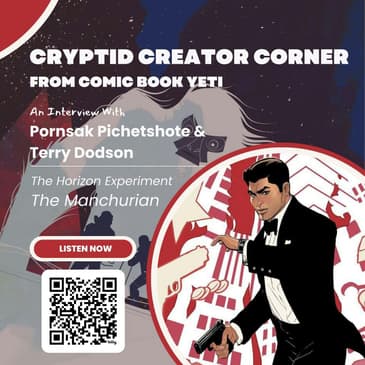

I’m always excited about getting to talk to comics creators about their projects but today I’m ecstatic. Not only do I get returning guest Pornsak Pichetshote back on the show, who is one of the nicest people in the medium, but it’s a double treat to get to introduce artist Terry Dodson on as well. They have an amazing project dropping soon called the Horizon Experiment: The Manchurian with Image Comics. This will be the opening salvo of a series of five one shot projects, designed as something akin to a tv pilot, each featuring original protagonists from marginalized backgrounds set in a popular genre and inspired by pop culture icons. Pornsak is co-editing the series with industry veteran Will Dennis (check out my interview with Will here) and the plan is to host all of them on the show if calendars and lives cooperate over the next five months before their release to give you a rounded flavor profile of all the cool eccentricity the Horizon Experiment has to offer.
This book is fantastic. I love a big swing and often lament creators not having the opportunity to take them. Pornsak has not only crafted a great story here, but he's also providing the platform for other creators to take their own swings as well with the other Horizon Experiment books dropping soon. Make sure to get your orders in because this book will catch you off guard with the clever way these two have bent the genre and it plays so well off of the current paranoia of anything other in America.
Terry Dodson - Instagram, X, Website
Pornsak Pichetshote - Instagram, X (check out our other interview with Pornsak and Jesse Lonergan about Man's Best here)
Other Horizon Experiment books coming soon
The Sacred Damned - Sabir Pirzada and Michael Walsh
Moon Dogs - Tananarive Due and Kelsey Ramsey
Motherfucking Monsters - J. Holtham and Michael Lee Harris
Finders/Keepers - Vita Ayala and Skylar Patridge
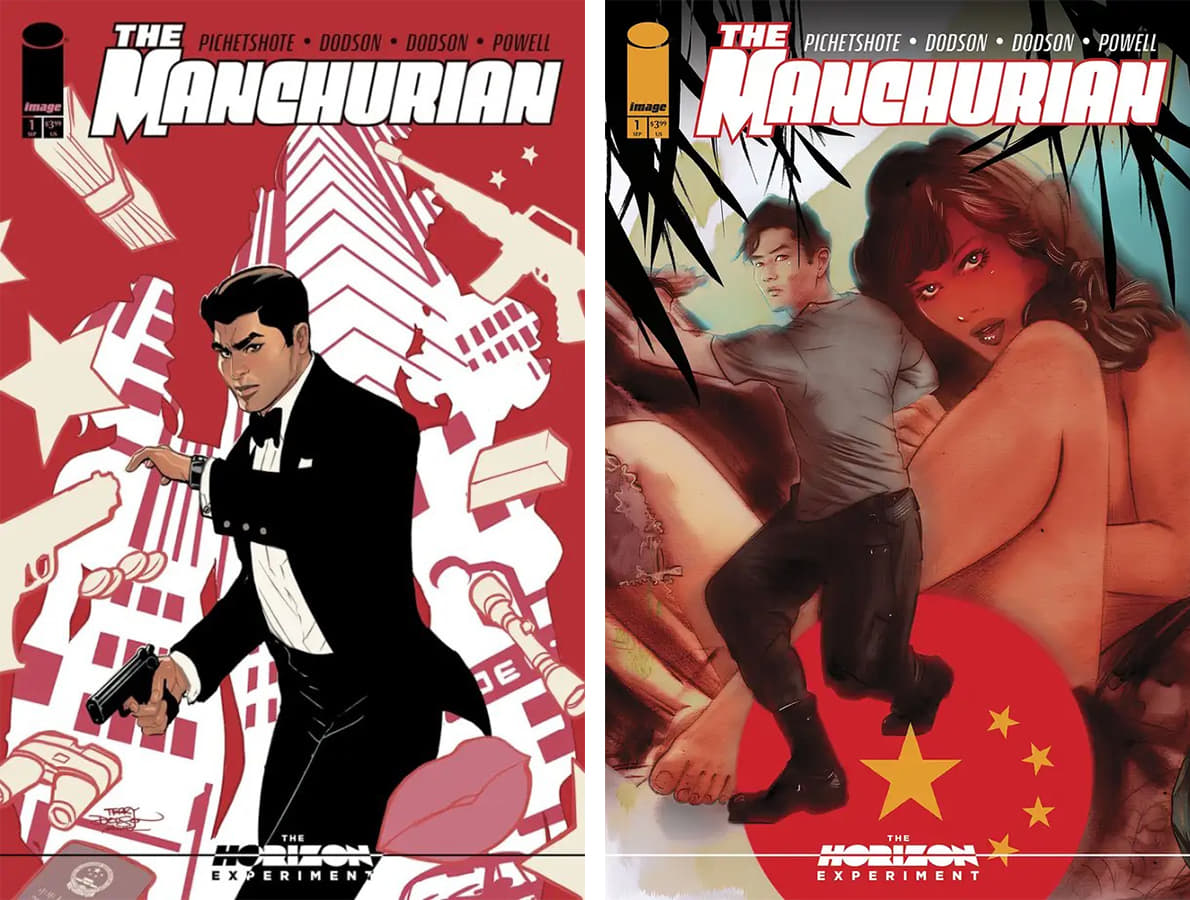
The Manchurian Covers
Our episode sponsor
Arkenforge
Play TTRPG games? Make sure to check out our partner Arkenforge. They have everything you need to make your TTRPG more fun and immersive, allowing you to build, play, and export animated maps including in person fog of war capability that let’s your players interact with maps as the adventure unfolds while you, the DM get the full picture. Use the discount code YETI5 to get $5 off your order.
[00:00:00] Your ears do not deceive you. You've just entered the Cryptid Creator Corner brought to you by your friends at Comic Book Yeti.
[00:00:07] So without further ado, let's get on to the interview.
[00:00:11] Y'all Jimmy the Chaos Goblin strikes again. I should have known better than to mention that was working on my DC
[00:00:18] Universe meets Ravenloft hybrid D&D campaign on social media. My bad
[00:00:22] He goes and tags a bunch of comics creators
[00:00:24] We know and now I have to get it in gear and whip this campaign into shape so we could start playing
[00:00:29] Another friend chimes in are you gonna make maps?
[00:00:32] It's fair to say it's been a while since I put something together. So I guess question mark
[00:00:37] It was then that I discovered Arkham Forge
[00:00:40] If you don't know who Arkham Forge is they have everything you need to make your TT RPG more fun and immersive
[00:00:46] Allowing you to build play and export animated maps including in-person fog of war capability
[00:00:52] But let your players interact with maps as the adventure unfolds while you the DM get the full picture
[00:00:59] Now I'm set to easily build high res animated maps saving myself precious time and significantly adding nuance to our campaign
[00:01:06] That's a win every day in my book. Check them out at arkham forge.com and use the discount code yeti 5
[00:01:13] To get $5 off. I'll drop a link in the show notes for you and big thanks to Arkham Forge for partnering with our show
[00:01:19] I think I'm gonna make Jimmy play a Goblin warlock just to get even
[00:01:24] Hello everybody and welcome to today's episode of the cryptic creator corner
[00:01:27] I'm Byron O'Neill your host for today's comics creator chat
[00:01:30] I'm always excited about getting into how comics with their creators and the projects they've got going on
[00:01:35] But today I'm a static not only do I get returning guest porn sack
[00:01:38] Pichet show on the show with me who is one of the nicest people in the medium
[00:01:42] But it's a double treat to get to introduce Terry Dodson on the show for the first time as well
[00:01:46] They have an amazing project dropping soon called the horizon experiment the Manchurian with image comics
[00:01:51] This will be the opening salvo of a series of five one-shot projects designed as something akin to a TV pilot each
[00:01:58] Features original protagonists from marginalized backgrounds set in a popular genre and inspired by pop culture icons
[00:02:05] Orange sack is co-editing series with industry veteran Will Dennis and the plan is to host all them on the show if
[00:02:12] calendars and lives cooperate over the next five months before they're released to give you a rounded flavor profile of all the cool
[00:02:18] Excentricity the horizon experiment has to offer so porn sack and Terry. Thanks for coming out today. You both doing well everybody doing well
[00:02:26] Yeah, great
[00:02:27] Awesome. Thank you for having us. Yeah. Yeah, glad to have you on well porn sack
[00:02:32] At least you have decent lighting this time
[00:02:34] You're right all though although that might be topically appropriate to introduce a spy book, right?
[00:02:41] Yeah, yeah, I guess so I guess so yeah, no
[00:02:44] That's right. I forgot the last time we talked it was just like I had like one lamp that could like illuminate
[00:02:49] I was in a hotel room. I think that one lamp that could eliminate the whole the whole thing
[00:02:52] But yeah, no now I'm decently lit
[00:02:54] I have a
[00:02:57] Light source or two one one set, but yeah, but thanks for having us on I really appreciate it
[00:03:01] Yeah, of course
[00:03:02] Well, I want to delve a bit into what the horizon experiment is all about and and where it came from
[00:03:07] As I just mentioned intro
[00:03:08] We have five one shot projects and five months starting with the Manchurian which is a Chinese James Bond take
[00:03:14] Then we have the sacred dam a Muslim John Constantine story boondogs follows a family of werewolves with East African descent
[00:03:21] And it's someone with lupus. This is especially interesting to me because hey, it's right there in the Latin name
[00:03:27] then mother fucking monsters an evil dead for black nerds and finally finders keepers are reversed Indiana Jones tale now
[00:03:34] That the uninitiated at least have an inkling of what to expect
[00:03:37] You know for tech. What was the germ of this concept big picture?
[00:03:42] well, you know a couple years ago I did a book called the good Asian and
[00:03:46] You know it did well for me
[00:03:47] It won some awards one eyes are in a Harvey it sold well
[00:03:51] And it got made a got a lot of noise online
[00:03:54] And the thing that I would hear over and over again was that and for anyone who doesn't know the good Asian
[00:03:59] Was about a Chinese American detective
[00:04:01] Set in 1930s and it was in it was a film noir and a noir and people were I heard would hear a lot
[00:04:07] Like oh, I wish there was more stuff like this more stuff that was like sort of taking these classic genres and
[00:04:12] Taking it from a new perspective like and I remember when I heard that I was like
[00:04:16] I kind of wish there was more stuff like that too the problem is I can only write so much for my perspective
[00:04:22] But I realized you know with my background with editing with the people that I've met along the way
[00:04:26] I knew a bunch of people who could do that kind of stuff and do really great work with that and
[00:04:32] So that's kind of was the start for the horizon experiment and from there
[00:04:35] You know I just reached out to them and sort of told them what I was what I was thinking these like one-shot pilots and
[00:04:41] You know and these were all people who really wanted to do comic do more comics and they were coming in
[00:04:46] You know some film TV novelist Vita's the the the one who was in comics already
[00:04:51] but wanted to do more creator-owned stuff and
[00:04:55] And and now they've all started making their road to cause but at the time they had a little trouble breaking it
[00:05:00] And even I would say now they I don't think they've as great as their stuff was been
[00:05:04] I don't think they've done stuff that really showcases what amazing creators they are and that's partly because they haven't had a luxury of doing creator-owned comics
[00:05:11] And when you're doing a creator-owned comic, it just gets to be a hundred percent of you
[00:05:14] It takes everything that you sort of put into it
[00:05:18] And I wanted to see them have those opportunities
[00:05:21] And while there's a lot of places out there that would give them that opportunity
[00:05:24] I'll allow them as for like half ownership on stuff and all that and most of these people had gotten to the point in their lives
[00:05:29] But they didn't need you know
[00:05:31] They didn't want to give that stuff up anymore
[00:05:32] So this was a way to just bring all that sort of stuff together to make five books that I just really wished existed and
[00:05:38] And the idea was you know, I think all that
[00:05:41] You know
[00:05:42] There were all this ideas idea of the rising tide that lifts all ships to sort of help bring attention to it and sort of see
[00:05:47] You know
[00:05:48] It's a weird time in the market right now if the market can sort of you know has room for all sort of five of these books
[00:05:53] Of all books which I really love
[00:05:56] Well, I was reading somewhere while educating myself a little more in preparation for a chat about how are you looking for an artist and speaking with co-editor
[00:06:03] Will Dennis you said what we really need is a Terry Dodson type and will responding well
[00:06:08] Have we thought about asking Terry and I interviewed will a while back and although I don't know him well or anything
[00:06:13] That sounds like a very will Dennis thing to say. Yes, Terry
[00:06:17] How did you connect on this and what appealed to you when porn sack reached out about it?
[00:06:22] Well, we'd met I met corn sack at the Isner ceremonies two years ago
[00:06:27] We were sitting at the same table the image table. He was the winners part of it as the losers part of it
[00:06:33] so we evened out in the end
[00:06:36] and
[00:06:37] We kept in contact
[00:06:40] Not ever after that and then he mentioned the idea to me both the story
[00:06:45] He mentioned immediately and that was I like the story idea then he mentioned the experiment itself
[00:06:50] Which I loved I mean someone who's been working in creator on books now surprisingly for almost 20 years
[00:06:54] I realized how important is to get the word out getting the word out on your project
[00:07:00] Is is as important as a project with creator on because there really is no
[00:07:05] Giant corporation funding you you've got to do yourself and so I love the idea of that
[00:07:11] That's someone who's you know seriously been working hard on creator on and with adventure man
[00:07:15] I've been but just Matt and I promoting that book and I could just see how difficult it is to get people to notice and to order
[00:07:22] Even though it doesn't matter the quality of the project if people don't see it
[00:07:27] They're not gonna buy it right it has to be so this concept of having that's all worked together
[00:07:32] getting 10 voices promoting a book as opposed to just two voices and
[00:07:36] Then I just feel like that amplified every voice you get amplifies, right?
[00:07:41] So because every person has X number of followers and all that stuff. So I I personally love that idea
[00:07:45] so
[00:07:46] so the story was amazing, but
[00:07:49] The way we are gonna work together to make the books sell together
[00:07:54] I loved and that's just so appeals to me as as knowing the comic side the business of the comics
[00:08:01] So yeah, yeah, yeah well after
[00:08:04] Kind of focusing on the business
[00:08:05] I guess after reading through the the man chair and it feels appropriate that this ultimately landed with image because honestly
[00:08:11] It reminds me of that foundational moment in April of 1992 to some extent and that that's not a sales prognostication
[00:08:18] I can't do that, but it's reminiscent at least in a sense of spirit, you know trying to do something different
[00:08:23] So the market as you mentioned is incredibly challenging right now
[00:08:27] So as creators willing to try something that contrasts with current sales models
[00:08:31] What what frustrates you both most about the current direct market ecosystem or was this even born of frustration?
[00:08:38] I guess I don't know if it was born of frustration purse. I mean sure there was some frustration behind it
[00:08:45] I suppose
[00:08:47] Just because I think I think everyone in commas is talking about like oh, you know
[00:08:51] We're not at our like pandemic heights and numbers anymore people are locked in and you know with a ton of money
[00:08:55] They can spend and they're only spending on comments
[00:08:57] But I don't know so we I mean yeah that conversation is sort of just been in the industry
[00:09:01] But I so I don't know if it's much as frustration
[00:09:04] It's just more just like I just wanted to see more books like more books like this
[00:09:08] You know and and the thing that I kind of I want to see more books like this
[00:09:13] But I think going back to what you were saying before it is at the root of comics, you know
[00:09:17] And I am you know anyone who's following my work anyone who knows me
[00:09:21] I just love the history of comics and I love the history of sort of genre
[00:09:24] So to me this goes back to just like DC showcase DC first issue special, you know top cows pilot season
[00:09:30] The you know one of those a parotte series. I love
[00:09:34] Comics were built on these one-offs like amazing spider-man fan
[00:09:39] You know amazing fantasy 15 showcase number four all these things that would just take off and become their sort of
[00:09:44] They're bigger things and so if there was any I don't even know if it was frustration as much as the style
[00:09:50] For there was a time in comics where it was just all experiments
[00:09:54] It was just all throwing stuff against the wall to sort of see what sticks, you know
[00:09:58] Sometimes you can eclipse those sometimes you get Jason's clutch
[00:10:00] But it was all this and then it just got to the point where I feel like a lot of that
[00:10:04] Experimentation went away because everyone's trying to build these business plans around these things and sort of all that sort of stuff
[00:10:10] And so I just love the idea of let's just put stuff out there and just let the audience tells and one of the things that I
[00:10:18] Found that I've had a lot of luck within my career
[00:10:20] It's just betting on the readership at the end of the day like a lot of my book if you were to pitch them to editors and all that sort
[00:10:26] Stuff they'll be like, I don't know about this. Can we change this can we change that?
[00:10:30] And just having faith that the readership is there to pick it up and let them tell you if they want to do it
[00:10:34] Has always sort of borne well for me and and to your point, you know, that is the great thing about image
[00:10:39] I mean image was built off of seven people and this I have so much respect for this at the height of their careers
[00:10:45] Like, you know, they were selling at their most when they walked over and I think since them
[00:10:50] There's a lot of people who've tried to do stuff like this
[00:10:52] But I don't think the image creators have gotten the respect that they've gotten that everyone else has watched their popularity
[00:10:57] Wean and then tried something new they tried something new at the very height
[00:11:01] We were selling millions of comics copies of comics and they decided to try something new and as a result
[00:11:06] You know generations of fans and creators have benefited from that
[00:11:10] But so to me like there was no better place for this is image because that was a spirit of image in the first place
[00:11:15] They've taken this enormous risk on themselves to make the end to to to make a version of the industry that was going to treat them better
[00:11:24] Yeah, it feels like very much a test case to to answer the question
[00:11:27] Are we misjudging the comics reading audience? Right? Yeah. Yeah, and possibly not just with respect to formatting
[00:11:33] But demographics as well. Yeah, you know big picture with respect to representation
[00:11:38] These are all focused on protagonists of color
[00:11:40] so I'm curious if you feel like the
[00:11:43] Character as an in the books
[00:11:45] Representational needle feels different in the big two versus indie books at the moment, you know
[00:11:51] I think the thing about, you know
[00:11:54] Marvel and DC have the best resources to sort of bring in new talent to train new talent to set them up to position succeed
[00:12:00] The problem is the business model of Marvel and DC is they're working on pre-established characters
[00:12:05] And they're mostly characters that were created in the 70s and the 60s in the 80s
[00:12:08] And you're already always going to start with this back foot of just like here's this kind of lame V-list character
[00:12:13] And try to sort of make it cool
[00:12:14] So you never get to start off, you know at ground zero and you know
[00:12:18] And just try to take something that mean that has something to say about today
[00:12:22] That that is current that is modern that is the best of sort of what you know
[00:12:26] That experience potentially is just it just by light of the fact that it was created like 40 50 years ago
[00:12:31] So I think just starting people at a level ground of just sort of been of just sort of saying like hey
[00:12:37] Let's just do something that's just like made for today's audience, you know
[00:12:41] That isn't you know something that people have a
[00:12:45] In their back of their heads of memory as a sea list characters a d-list character
[00:12:48] Just something as simple as that I think levels of playing field a lot
[00:12:51] And I also think too like one of the things I found with my books is that you know
[00:12:55] You can you know, I'd always thought my books were targeted to a very specific audience
[00:12:59] And I've been very pleasantly surprised to find that oh no the audience is much bigger than I think it is and
[00:13:04] And I know and I think I'm making the same mistake that perhaps other editors sort of make that you know
[00:13:09] When you do a book with the black protagonist, there's a black book and all that's and all that but I think that the
[00:13:14] you know the
[00:13:16] The audience is much bigger for for it than that
[00:13:19] You know like especially when you look at like horror audiences or espionage or action
[00:13:23] The audiences are much bigger than that and especially in comments are very passionate about the stuff
[00:13:27] So that's a lot of where you know that particular piece of calculus came
[00:13:31] Okay, I mean is it as simple as saying sales numbers are the metric for success?
[00:13:35] Yeah, I mean I think they have to be at the end of the day, right?
[00:13:38] I mean every for each of these books
[00:13:40] It's very much about the individuals because the way it looks for image
[00:13:44] You know the books either self-finance or part or partially finance but by image
[00:13:48] And so it really comes down to what the creators are comfortable with since they are taking the bed on themselves
[00:13:52] And that every image book it's it's and it's one of the great things about image
[00:13:55] Honestly, it's that creators take chance takes bets on themselves
[00:13:58] But because of that every creator is gonna have a different comfort level in terms of what they're willing to do to sort of
[00:14:05] Take that bet on themselves
[00:14:06] And so sales for these first one-shot sales are the most important aspects of it pre-ordering is so important for this particular thing
[00:14:13] It's always important for comics
[00:14:14] But this particular thing if you want more you really you know
[00:14:18] It needs to show up in those sort of pre-ordered numbers because that's what's gonna make those careers in being like okay
[00:14:22] You know if my first issue does this knowing that sales drop off after that
[00:14:26] You know even if you relaunch, but if my first issue start off like this
[00:14:29] I know going forward like oh this is a I can with this amount of sales. I think it can be comfortable doing for
[00:14:36] Okay, well, let's get people hype about the book getting in the meat of the book itself
[00:14:39] You know, this is this is great stuff
[00:14:42] You know
[00:14:42] I'm a huge fan of both of your work and this didn't disappoint and honestly
[00:14:46] That's because I came in expecting something that would go
[00:14:50] Bombastic and throw everything at the wall right big action chases, you know spy shit
[00:14:54] You know you you have 28 pages here to pull a reader in but
[00:14:59] And that bombastic nature just really wasn't how it played out to me
[00:15:03] And that that would have been safe and although I'm certain you both could have executed that well
[00:15:07] Instead there's a bit of an understated tone that creates this beautiful pocket to kind of explore the lives of the characters that inhabit your world on an emotional level
[00:15:15] You know, I came in expecting a threat spy thriller
[00:15:18] Which I got but the lens of it was entirely flipped on its head
[00:15:21] Which makes it stand out in the genre that it's playing in so building that world
[00:15:27] You know you chip porn type you clearly have an interest in Chinese spy craft and I had no idea that it looks so different
[00:15:33] The then kind of our own or like CIA British MI 6 are similar
[00:15:38] So why did you want to explore that specifically? I just found it so fascinating
[00:15:43] I found it so fascinating for anyone who doesn't know Chinese espionage
[00:15:46] They use the analogy of a thousand grains of sands and the idea is that
[00:15:51] if you you know if if a Western spy wanted to get sand from a beach
[00:15:56] They would send like an elite frogman in the middle of the night go to that beach and sort of steal it
[00:16:00] But what the Chinese would do is they would send a thousand tourists to that same beach in the middle of the in the middle
[00:16:05] The day and broad daylight and at the end
[00:16:07] All those tourists would sort of get together and shake the sand out of their boots
[00:16:11] And they'd have as much sand if not more than that
[00:16:13] That it better than an elite frogman is by did and I just thought that was such a fascinating approach
[00:16:19] So completely the opposite and it's a very eastern approach where it's about the community and about as opposed to sort of the individual
[00:16:25] Yeah
[00:16:26] And I think that's one of the reasons why it felt like a great way to tell a different sort of type of spice or is that hopefully still feels like
[00:16:33] Feels like adjacent to the spice are used to seeing but just sort of like a different sort of take on it
[00:16:38] Whereas more just about the little individuals that sort of make up the then make up the process as opposed to
[00:16:43] You know the big sort of bombasticness which by the way is something like you know when me and Terry talked about it
[00:16:49] We always kind of saw this as our sort of like casino Royale
[00:16:51] Where where you know we can kind of build this sort of more craziness sort of from there
[00:16:55] But to start at a place that was really about character and really by establishing the character and the concept in this world
[00:17:00] That that you're that you're living in and you know and I got to do it
[00:17:03] You know and I got to do it with Terry so it looks gorgeous
[00:17:06] And you know and and the thing that excites me about it too is as like this is the editor side of my brain
[00:17:11] Is that you know
[00:17:13] Terry was like the perfect person for doing this it's like this kind of action this intrigue
[00:17:18] But it was also sexy
[00:17:19] You know and it's kind of everything that Terry does but the same time he hadn't done anything exactly like this before
[00:17:25] So that's your that's you know when you're working as an editor
[00:17:29] That's their your ideal moment where you realize like oh wow he has the person
[00:17:33] It's all the skills for something like this
[00:17:35] But at the same time they actually haven't done it so you get to be the person to like break that story in a certain
[00:17:39] So
[00:17:41] Terry as the the visual world builder in the partnership
[00:17:43] Is it more challenging for you as an artist to do
[00:17:46] Creator own work where you're you know doing all the heavy lifting to fill in over working on established characters
[00:17:52] Um, well, I mean if you have to put workload in it's it's definitely more workload, but as far as uh enjoyment
[00:18:00] Uh, I enjoy it way more. I I had someone who's
[00:18:03] Worked on everything for all the mainstream companies once or even twice. Um, I love the challenge of creating
[00:18:10] that's that's what uh
[00:18:13] keeps me excited about working in comics is the fact that I get to uh continually create things. I mean that's
[00:18:20] The doing something repetitive like uh, like if I was an animation
[00:18:24] I like keep drawing the same, you know bugs budding every day or something
[00:18:26] One day I'd be done as the greatest thing about um
[00:18:32] comics is that every day every page every panel is a new thing and especially
[00:18:38] And that's really true. That's true in mainstream work
[00:18:40] But in creator owned it's especially true because there's nothing designed nothing's been figured out before it's all
[00:18:45] It's all comes out of my head and uh, or our heads
[00:18:49] And um, it I absolutely love it. I love the challenge. I love I love creating
[00:18:54] I just that's my favorite thing to do. I couldn't be I can't think of a job
[00:18:57] In the world that I'd be happier doing than like a creator own book
[00:19:01] Because it's it's so much what I enjoy doing. I love design characters buying worlds
[00:19:06] I enclose and then I love drawing comics love telling a story on a page and so
[00:19:11] It's a world that I get to design and just live in for you know weeks months years
[00:19:16] I just uh, it is it is way more work. I could make a lot more money short term
[00:19:22] Just drawing just that books at marvel in dc
[00:19:24] But uh as far as creative
[00:19:27] Pleasure and just just fielding satisfaction for what I do. It's the creator own stuff
[00:19:32] This book in particular. I mean so this is technically my fourth creator own book I've done now this this this century
[00:19:39] Um and each one of them has been uh a complete 180 turn from the one before the very first thing I did was like a like a steampunk
[00:19:45] Victoria era story set in europe the second one was a
[00:19:50] Russian spy sent to the us a soviet spy sent to the us in the 70s at la you know, third one was an adventure man, which is this whole
[00:19:57] uh, new york
[00:20:00] Reboots that today and now here I am dealing with a chinese super spy in the us
[00:20:05] so
[00:20:07] I love um, I love the challenge of um creating new things and I like uh, I have I have
[00:20:15] For better or worse. I just have so many interests in so many things
[00:20:18] I love to play around in so many different genres and uh
[00:20:21] And I've been fortunate my career to to really have done every like kind of mainstream
[00:20:27] Super girl kind of thing and so now it's the now there's this whole other world of all these other
[00:20:31] genres that uh and creating creating new world and places and stuff. It's just such a such a blast and and this book was great where
[00:20:39] Uh, it was it would end up being a very quiet book. And so how do I how do I?
[00:20:44] Separate this from anything else on the shelves and I just kind of figured out those ways where I needed to pop things
[00:20:49] make it exciting and and then um
[00:20:51] I color my own work and so I figured out these unique palettes
[00:20:55] I was going to use for this book to really separate it from other work that I've done before and then the
[00:21:00] And then it's so huge for the storytelling
[00:21:03] of um, how when we change scenes how this all works and uh, no, it's it's it's it's been a blast
[00:21:09] so and then important sack has given me a ton of great material to work on and and uh
[00:21:15] And he's been an awesome collaborator work with as far as any time I have any question about the stupidest slightest thing
[00:21:21] I'm able to get that figured out right away
[00:21:23] Go ahead. I one thing I just wanted to say too is just like and I feel like you can totally see
[00:21:27] how much uh terry loves sort of creator-owned work because specifically because uh,
[00:21:32] And something I feel very uh lucky about is that he colors his own work on his creator-owned sort of stuff
[00:21:37] And I think if you're a terry dots and fan like, you know, if you haven't seen his career on work
[00:21:41] You haven't seen terry at his best like the colors are just so gorgeous
[00:21:45] Uh, it you know as great as all his marvel and dc stuff is and you see it more in his covers
[00:21:49] I sort of feel like because he colors his own covers when he works for marvel and dc
[00:21:52] But I feel like you see so much of his like interior work colored when he works on his own stuff
[00:21:56] Whether it's this or adventure man, you know or red one or and and all that stuff and and I yeah
[00:22:01] I just think just terry doing as many of those aspects as he can. It's just it's the best version of them
[00:22:07] All right, let's take a quick break
[00:22:10] Hey comics fam it the comic book publisher band of bars just got a level up and announced it is now a cooperative
[00:22:17] This heralds a new era for them including a partnership with dollas stories
[00:22:22] And they added several new members to the ownership group
[00:22:24] Marcus Jimenez is now chief operating officer
[00:22:27] Brent Fisher takes on the role of chief diversity officer and joey galvez is introduced as head of kickstarter ops and social media manager
[00:22:36] Which is sure to increase their capabilities overall as a publisher
[00:22:40] And it further promotes their mission statement of advancing representation
[00:22:44] Inclusion and diversity in the media
[00:22:46] They also established a new board of directors to help chart the new path of their journey
[00:22:51] With new projects in the works like Alaska by dropping in june
[00:22:54] Unbroken soon launching on kickstarter and pollen coming up with thoughtless
[00:22:58] Stay tuned to this space for more exciting news from the growing bards family
[00:23:06] Let's get back to the show
[00:23:08] There's all these little bitty things that color with the color choices. It's it's totally muted
[00:23:13] It almost feels like it was colored normally and then either a soft dusky blue overlay was thrown on top or
[00:23:19] Everything was designed using analogous colors close together on the color wheel
[00:23:23] Which which makes the whole thing purposely understated except for kelvin's own kind of inner monologue, which is a deep red
[00:23:30] So it's an interesting choice for a spy focus book and yet another example while i'll remember it
[00:23:36] So talk to me about the some of those color choices
[00:23:40] Well, yeah, well, I'll say the other thing. I mean everything you said was exactly how I approached it and then when
[00:23:46] When the big moments happened is when I will really open it up
[00:23:49] We had a couple of little parts in this where we did that but I I'm it's all just like kind of strategic planning
[00:23:57] Keeping keeping the colors relevant to what's happening in the story, you know
[00:24:01] Not trying to overcolor things that do not need the attention drawn to them
[00:24:05] And really trying to let the the color and be the be the storyteller the mood setter, which is I mean I just
[00:24:13] I really love
[00:24:15] That I mean just I've always I always think of my work in full color even when I'm penciling it
[00:24:20] I always imagine that everything I'm doing is fully realized and so it's such a thrill to be able to
[00:24:25] Have that final pass
[00:24:28] on the work with the color
[00:24:30] And it's just it's amazing how how much you can tweak a story with the colors
[00:24:35] It's um, I mean it it's it's I think as the years go by people are going to start realizing how important
[00:24:41] Is maybe that the person is drawn on the book. It should be coloring the book as well
[00:24:44] I mean, obviously there's just people who don't have uh, don't have that color sense or whatever
[00:24:48] But I really think that it it's it's essentially like being the director
[00:24:51] I guess because you've got to kind of you've got to pull these all these things together
[00:24:54] And how can someone feel that mood correctly if they didn't aren't the one that actually created I guess
[00:24:59] Um, and there are amazing colors too, but it it's it's that singular vision
[00:25:05] on the visuals I think is
[00:25:07] For me anyways is it's ultra important. I just I can't imagine
[00:25:10] Trying to describe all this stuff to someone else to try to portray and sometimes, you know
[00:25:14] It's color you put the color down on a page and all of a sudden you realize
[00:25:17] Well, there's just one panel that looks right and I can I can go I can go through like 12 colors on something
[00:25:23] At once just figure out what works best
[00:25:25] I really pretty much know what I want but it's always always a fun surprise to have this one color
[00:25:30] Just pop out of the blue and go that's the one that's going to make this one work
[00:25:34] Yeah, I mean from from the jump you get sucked in with the color work
[00:25:38] First off the cover actually echoes the Chinese flag. So
[00:25:42] And you have in the panels
[00:25:45] There are there are lots of like facial profile shots that create a motion with the acting which creates a
[00:25:50] A more grounded intimacy with the characters that one might expect
[00:25:54] Kind of an espionage on our project where usually it's all full objects James Bond gadgetry that sort of thing
[00:25:59] So it was a refreshing change of pace
[00:26:02] For me and how is it for you to kind of work in that pocket with no Harley Quinn hammers no
[00:26:08] Super intricate topographical, you know background detail work, you know and just focus on
[00:26:13] characters
[00:26:15] You know, I mean
[00:26:16] I will say almost from the very beginning of my career this the one strength my art had was that I could
[00:26:22] I drew emotions well through character as well through talking scenes. Well, I mean from
[00:26:26] from the very
[00:26:27] Like once I started working in industry, I was
[00:26:30] I never really I never had to look for a job since day one. I've been hired every
[00:26:36] There's always been a job sitting in front of me at all times. That's because I think I didn't realize at the time
[00:26:41] But I think writers realized that I could tell talking stories
[00:26:45] I could drop
[00:26:46] Even people caught talking heads and I don't think of those pages like that
[00:26:49] But I understand what they're saying and I don't sit there and think oh, I got put heads on this page
[00:26:53] And make it in earth. I just tell a story, you know, it's all the same to me whether it's whether it's people talking whether it's actions to mix
[00:27:00] It's you know intrigue or whatever it is
[00:27:02] I approach the way I I tell stories the same for all that stuff. It's all they're all equal
[00:27:08] Doesn't matter how much action or whatever. It's all the same
[00:27:12] it's all about telling the story and
[00:27:15] I I enjoy the challenge of trying to get the
[00:27:18] The emotions right. I want everybody to be able to read the story without doing the dialogue on there
[00:27:23] I want to succeed just visually. I want people just to look through the book and know exactly what happened
[00:27:29] Obviously, there's all the good details and that that's in the dialogue, but it needs to
[00:27:34] Flow visually and be understood purely visually
[00:27:38] and uh, yeah, I just it's it's something that's fairly natural for me to do and but um
[00:27:44] Yeah, it's a challenge too because it's getting it down to like these millimeter
[00:27:49] differences of
[00:27:51] Expression it's like I just so it's always this thing of pushing myself to make sure it reads without the dialogue
[00:27:57] Crystal clear and it took you know, I'm not always happy. I'll admit
[00:28:00] But that's daily on everything I do
[00:28:02] There's no no difference between this project and anything else where there are frustrations
[00:28:06] but you know at the end of the day
[00:28:08] It's professional work and it gets this going across since good enough or then sometimes it really succeeds well
[00:28:13] That's um, I'm thrilled when that happens
[00:28:15] Yeah, there was one particular panel that jumped out to me kind of as a visual artist myself
[00:28:21] And I'm very curious about that so it's in the museum and you have all these angles
[00:28:24] I would have I would have erased this scene. I guess 10 times, you know
[00:28:27] Trying to gotten way too obsessive and how how all these angles move the eye around
[00:28:32] But you have two people standing back to back with these paper airplane like sculptural installations
[00:28:38] That was bloody brilliant. Like I had not seen that before and it was I really get
[00:28:43] So as somebody who is a visual artist, I'm always looking for ways
[00:28:47] To engage somebody and keep them and I work in photography
[00:28:51] So you get one image to really suck people in and try to you know, make them stick with whatever you're trying to tell them
[00:28:58] And and this was really bloody brilliant to do that. Um, so it was it was actually a fantastic moment for me and
[00:29:05] in that first
[00:29:06] Yeah
[00:29:07] Well, you know that was that was I thought I
[00:29:10] I
[00:29:11] I had designed the pages or I done the breakdowns on the pages for the storytelling and I realized that this is this art museum
[00:29:19] It's like, do I really want to create, you know
[00:29:21] 50 new paintings on these walls? It's like, yeah
[00:29:25] You know, so that was the first thing so I knew I didn't want to do that
[00:29:28] And so I go well, it's it's but it's modern art
[00:29:30] So we can use sculptures and that really gives me the freedom to make a lot more depth
[00:29:34] An interest on a page and that's really what it comes down to
[00:29:37] You know, you have these you I it was that it was that or is it gonna be flat paintings on walls?
[00:29:41] And it's like that has no depth of interest and we have the freedom here to
[00:29:45] Do that and then I really felt that those shapes really put were really totally directed your eye
[00:29:49] And obviously it was depth storytelling and then and then and then what they're talking about in those shapes are
[00:29:55] You know these sharp angular things really echoing what's really going on in this quiet museum
[00:30:01] The the importance of what they're saying so I mean that's
[00:30:05] That's why I do what I do because
[00:30:07] um
[00:30:08] Having to get push that idea through like 10 10 groups of people before they allow me to do it
[00:30:13] Would I would just give up but with comics it's immediate once I have this idea
[00:30:17] I know it's gonna work or I think it's gonna work
[00:30:20] I can just push it and push it the more I can push things the more confidence I get with it
[00:30:24] The better it turns out and that is the beauty of of doing comics and the beauty of especially the beauty of the creator
[00:30:30] On where there's you go with your best idea and you're gut feeling if you're wrong you're wrong
[00:30:34] But generally your gut's gonna be all right at the bad at worst
[00:30:39] And we think about terry too
[00:30:41] I would have to say is that like it's funny like terry does a bunch of scenes where people are talking
[00:30:46] But he never does a talking head scene. There is so much movement
[00:30:50] When terry, you know when harry has a scene about a conversation it never feels like two two heads sort of talking
[00:30:56] It's never that it always just feels like you're constantly moving around backwards forwards in and out
[00:31:00] Like if there's an enormous sort of sense of movement, which is one of the things I think going back to like why
[00:31:05] You know writers like love working with terry. It's just like yeah, you couldn't give him a scene when two people are talking
[00:31:10] But it's never a talking head scene. There's all it's things are always moving
[00:31:14] Right. Yeah, and that's just that's just storytelling and
[00:31:19] Visual interest. I mean that's you I mean most movies are talking head films. You really think about it
[00:31:23] Or tv shows and you don't you don't get bored and why is that well the faces are so pretty in real life or whatever
[00:31:28] And so you can't depend on that enough in a flat medium like we have to use so you have to use visual interest and and sometimes really
[00:31:36] I think smart to do I think this is good for all artists out there to know is that
[00:31:40] Set up a set up a believable environment and put those characters in that environment pull back and show that environment
[00:31:45] All of a sudden you do that once or twice. You don't have to do it again
[00:31:49] All the readers are now imagining that environment in their head and that allows you the chance to be a lot more creative with your pages
[00:31:54] You're not
[00:31:55] You're not trying to cheat stuff
[00:31:56] And you're not just doing and then again you're avoiding the just the talking head thing because people just do the talking heads
[00:32:01] To go as a talking at page like before these the day it'll be really easy
[00:32:04] All of a sudden you've lost those people
[00:32:05] You've lost those readers whereas you put you work a little bit harder
[00:32:08] And you set this stuff up to look interesting let the readers do all the work for you on page four
[00:32:13] So that by the time you get to page four you don't have to draw a lot because you've already
[00:32:16] Done all that work
[00:32:18] Is that what takes the longest amount of time to put that environment together because
[00:32:23] I'm imagining when you're working on a longer form project and and not let's say like a cover, you know
[00:32:29] I was just curious if there was like a page number where you get your feet under you with a look and you're happy with it
[00:32:34] You know does that differ from project to project?
[00:32:36] You know is the environment itself the nucleus of what you try to do when you're taking something on that's new and then
[00:32:41] You can just roll
[00:32:43] Yeah, no that's I mean that's world building. That's huge
[00:32:46] I mean the the first issue of anything I do takes forever
[00:32:49] Even if it's even if it's a marvellous ebook because I'm still even though that world's built
[00:32:53] I'm still building my version of it. It takes a lot longer as a creator own book
[00:32:59] Every first issue I've done as a creator on has taken
[00:33:02] It basically any first issue I do have a creative book
[00:33:04] I will never make money on because the amount of money amount of time it takes me to build a world as I'm drawing
[00:33:09] It is there's just it's an imp. It's just that that page rate would be thousands and thousands of dollars
[00:33:15] so I always know that first for the first issue is a loss but
[00:33:19] If the first issue the first issue has to be in has to have all that thought put into it in order for issue two
[00:33:24] To be done three four by time you get to the second third fourth issues
[00:33:28] Um, you've done so much of that world building or you so when the next time you come to something new
[00:33:33] You already kind of know how to solve that problem how that works in that world
[00:33:36] So it just speeds everything up. Um, and then yeah, like I can like adventure man
[00:33:40] We're on our 12th issue now so I can say
[00:33:43] And we're doing all these brand new designs for that new part of the series right now
[00:33:47] But I know that there's this system that these things fall into that can fall back
[00:33:51] It's like this is a totally different looking thing than before
[00:33:54] But we do these kind of things
[00:33:57] And so I kind of echo those kind of things in the newer ones
[00:34:00] And that just speeds it up for the mentoring to do the exact same thing
[00:34:02] The next time I'd be the manchurian that'd be able to do it
[00:34:04] I'd say twice as fast mostly because it's the real world. There's a real world set locations and so
[00:34:10] um, it would almost this book would go
[00:34:14] Much faster much more like a a marvel style book. I think eventually okay
[00:34:19] Okay
[00:34:20] Getting into some of the character stuff
[00:34:22] I love the the fixer angle for the the manchurians in the book as I have spent some time as a
[00:34:27] Basically a fixer myself
[00:34:29] And I have no experience as a spy before anyone asks and no
[00:34:34] I've never worked for the mafia. Yeah, I'm way too honest for that
[00:34:37] But I did play that role way too often babysitting rock stars
[00:34:41] So yeah, yeah, absolutely. Well quick story
[00:34:44] so
[00:34:45] I was working as production manager for a huge diva whose name will remain secret as I still have friends in the business
[00:34:50] And I don't want to damage their rep
[00:34:52] I don't know if either of you have heard of diptych candles. Are are there you familiar with these?
[00:34:56] No, okay
[00:34:58] So these are super high-end bougie candles made from high-end french botanicals, right?
[00:35:02] So said diva heard about Madonna having these backstage and then they had to have them these candles are about
[00:35:08] $75 a piece mind you for like an eight ounce candle, right?
[00:35:12] Yeah, they had to be added to the advance rider, which is essentially a fulfillment list
[00:35:16] It's passed on to each venue prior to the arrival so they can get things ready
[00:35:19] So you just can't find these anywhere and it was becoming a massive massive headache dealing with local arena managers
[00:35:25] Bitching about trying to find these things. So my idea was to buy beeswax pellets and some essential oils and basically make
[00:35:32] Fake ones so we printed out fancy replica labels and problem solved
[00:35:36] I just placed them in the dressy rooms and and lit them for a 10 month tour with with the said diva not being any
[00:35:43] The wiser
[00:35:44] I wish I could say that was a nice example
[00:35:46] But rock stars are really rare breed and that was pretty much daily for well over a decade
[00:35:51] So damn it. I qualify as a fixer, but anyway
[00:35:55] Manchuria is dealing with sensitive and or esoteric problems. So so why make that the focal point of the story?
[00:36:01] I just love, you know, again, I think it is
[00:36:05] Part of my love for so the history of storytelling
[00:36:08] It's like I love the that he kind of had a procedural engine
[00:36:11] He had this like he had a you know
[00:36:14] Kind of the week a case of the week and I kind of thought that was and maybe that harkens back to the pilot nature of it all
[00:36:19] I'm not I'm not sure but I but because the the world of chinese espionage is no one important is more than
[00:36:25] Than anyone else. I like this idea of someone who kind of goes into all their lives
[00:36:31] And sort of you know and it sort of helps sort of all those all those people
[00:36:34] And and I do love that character of you know of the fixer like, you know
[00:36:39] You know what harvey kytel's character and pulp fiction and all that kind of stuff where their job is just like
[00:36:43] Whatever problem that you have like sort of i'm gonna take care of it
[00:36:46] So I like this idea of oh, he's a fixer for spies if you're a spy and you have a problem, you know
[00:36:53] You you know the way chinese espionage works is that you need to not the whole point is that you never commit a crime
[00:37:00] That you never break the law because the second you break the law you become a liability
[00:37:03] But if you never break a law then there's no way to catch you
[00:37:06] There's no way to prosecute or anything like that
[00:37:08] But sometimes things might have to happen where people do need to break the law
[00:37:12] And you just have this one person whose job it is who's been trained specifically to break the law to sort of help
[00:37:17] of help other spies and
[00:37:20] I you know, it really felt sort of it fit that world
[00:37:23] But also I thought it was a great inversion of that classic
[00:37:27] You know, you know, I think we're all of the age where we remember those
[00:37:30] You know those those 80s television shows that were just like oh you hire some or just like the p.i
[00:37:36] You know, I miss that that like the p.i
[00:37:38] Who kind of is brought in to like do things that people's just sort of hire
[00:37:40] So that felt like a very modern take on the on on that
[00:37:44] And yeah, and it felt like it could it could lead to sort of all these interesting stories
[00:37:48] And I think at the end of the day what the manchurian is about is
[00:37:52] You know every comic sets itself in a world and and the manchurian very much is about the world of disillusionment
[00:37:57] It's about how different people get disillusioned and what they will do because of their disillusionment
[00:38:01] And to me there is a lot of of stories to tell
[00:38:05] In a world where you're looking at all the different ways people get disillusioned and how one person
[00:38:09] Can kind of help them and the twists and the irony being here
[00:38:12] He's like he's not helping them for america's sort of a best interest. He's helping him for their rivals. Best interest
[00:38:18] Okay, you talked about community and i'm curious about sort of the root of any espionage
[00:38:24] You know versus everything else we've come to associate with it is community that is that ultimately the root in this
[00:38:33] More corporate versus state oriented sort of espionage. I you know, I think so I think you know
[00:38:39] I it's I never really thought about it until you just sort of send it right there
[00:38:43] But I do think because you know chinese espionage is corporate espionage
[00:38:48] It and corporate especially the world way we
[00:38:51] What corporations and what corporate sort of warfare has become it has this like winners sort of take all mentality
[00:38:57] So it is very individualistic
[00:38:59] And so it is natural then that its opposition would be sort of a community
[00:39:04] And so it so there is a kind of like class warfare that's sort of happening
[00:39:08] Kind of at the center of the book between corporations and and people and I honestly think that's what the book is about at the end of the day
[00:39:14] It's just like how these are all if you're talking about disillusionment
[00:39:17] It's disillusionment from sort of like this corporate structure that has taken over every aspect of our world
[00:39:22] And how do people sort of fight back against against that?
[00:39:25] Okay, well, what are you both most proud of in terms of uniqueness of the delivery on Demantrian?
[00:39:31] I mean, I'm most proud of working with terry. Like I just think the book is so cool
[00:39:36] It looks so good and also too like it is it's also terry
[00:39:41] You know terry has this this art that that just comes from being a veteran comments artist
[00:39:46] I think where he can just he can make a
[00:39:50] Four panel page look like a splash page because he knows like that opening page where you know
[00:39:55] We do our Ursula andris slash danyel craig sort of homage and coming out of the water
[00:39:59] That feels like a splash page even though there are four panels on that page
[00:40:04] And and I you know, and it was when I started writing comics
[00:40:07] It was something I would always have in my mind
[00:40:09] But artists it took an artist like terry to actually pull it off and make you realize like oh, there's a reason why
[00:40:14] Not it when terry does it it seems like anyone can do it
[00:40:18] But then you realize working with other people like no it takes a like it takes a very
[00:40:22] You know
[00:40:24] Very um, which we call it, uh
[00:40:27] Um, it takes a lot of experience. I have a like have that command of a page
[00:40:30] To be able to get that much information on there and yet still make it look like everything breathes
[00:40:36] It does
[00:40:38] It takes a lot of experience to do that
[00:40:40] I mean I could didn't even that in that page
[00:40:43] I struggled with that happened, but you know, that's those are I'm just on a secure, uh
[00:40:47] Technical level doing pages like that are extremely important
[00:40:51] And they're not easy because you're because it's four things and how do you balance these things on that?
[00:40:55] But that's comics that you're jug I mean you're juggling so many things when you're doing comics
[00:40:59] And that's the reason I like I like the challenge of it when it works great when it almost works or it's good enough
[00:41:04] That's good too
[00:41:06] I love that. I mean it's such a high wire act
[00:41:10] And i'm glad that it that that that particular thing worked out because it's the first images that people will see
[00:41:14] You know, it's really key. I spent I spent I think I had that rip
[00:41:19] Maybe I don't know at least three months three months before I drew that page that page was in my head for a long time
[00:41:24] I knew how key that page was
[00:41:26] um
[00:41:27] So but and then based off of that like success of that one
[00:41:30] I know like how to handle that next time that shows up on that issue and all those things I really go
[00:41:34] Okay, this worked well here
[00:41:36] It's a thing like in comics I find it
[00:41:38] It builds upon itself page by page as you do it
[00:41:43] Um, but as far as like the project itself and the satisfaction I'd have to say actually that it's kind of like, um
[00:41:50] This one issue thing
[00:41:52] As it is
[00:41:53] It was this experiment is done it we've done it. It's it's uh, it's readable
[00:41:58] You know, it's up to the market now to decide what we do next with it
[00:42:01] But it feels really good to have
[00:42:03] To be on this side of it where um, it's always been this idea
[00:42:07] But now we have this one issue thing with people to throw it off of the public
[00:42:11] Let's let them see what they think about it. Um, we know, you know, we did the best we could and
[00:42:16] That's it's fun to be doing that as opposed to launching the book courts
[00:42:20] You know, we're 12 months out or whatever it which is I'm we're sitting there promoting it
[00:42:26] But we don't really even know where it's done. We're here. We do get to wrap it
[00:42:29] It feels very good. It's rare that I'm on something that's not being done
[00:42:33] years
[00:42:34] It's only ahead of me after the time so it said I loved that idea of it
[00:42:39] Yeah, and the one thing I will say too, but I'm talking about pride is I do like the fact that we just
[00:42:44] We give a whole world and a whole sort of mythology and you know
[00:42:49] And future antagonists like I
[00:42:51] I I do feel like that's kind of lost in comics now and it is something when I read old comics
[00:42:57] I look at and it's just like oh, that's so cool. They just give you everything
[00:43:00] In a single issue and now we stretch that before yeah eight pages sometimes
[00:43:05] Eight pages all there man. Yeah, and so the idea and I and it's like this for all the all the all the one shot
[00:43:11] But just because this is the one I worked on so I
[00:43:14] So I have a more intimate connection with it
[00:43:16] Is the fact that you get a full meal that you get not just a you know, you got a new character
[00:43:20] Hopefully then you enjoy you get action you get gorgeous art
[00:43:23] You get like a world and a sort of mythology and then you also have hopefully
[00:43:27] Tracks for like where that story can go too and it's all done in one comic and uh, I I love that and
[00:43:35] And I have a lot of pride with that and also makes me think like I wish we saw more
[00:43:39] Stuff like that. Like I just really loved that
[00:43:43] Yeah, comics comics is that thing where it's it's I mean
[00:43:47] There's there's no limitation on what you do with that's now. That's why this is such a great great idea that um,
[00:43:53] they're just there
[00:43:55] You should be able to walk on the comic shop and pick up any random thing and be excited about it, you know
[00:43:59] It's just I love that uh, the the the only limitation on comics is like your imagination the creator's imagination
[00:44:06] So that's just such a it's such a rare art form that we have nowadays
[00:44:10] Yeah, well one of the obvious, you know issues with the experiment overall is
[00:44:14] What the hell do you do if it jumps off right? Everybody is busy, you know
[00:44:19] If it is indeed a market banger now that we have to work on this, you know
[00:44:23] With all these already packed schedules
[00:44:25] It's a bit easier on writers because they probably at least have at least an outline for the first full arc ready to go
[00:44:31] But artist terry, you know, are you ready for more?
[00:44:34] Like what what's the plan here? Say let's say this is successful and sales numbers are great
[00:44:39] Um, well it's a good problem to have, you know, I yeah, oh all I have on my schedule
[00:44:44] saying a lot but all I have on my schedule do comic book wise is creator own work. So um
[00:44:49] Um, it's just a matter of scheduling things in and I'm my own
[00:44:54] My own schedule my own so it's just a matter of figuring out where that's gonna fit. Um, I I have it vaguely in mind
[00:45:02] So that's um, I'm juggling all these things. I'm juggling but you know, again, it's a good problem to have
[00:45:06] It's like, oh, this is a book that people want to see and it'll be successful. So if I do do it
[00:45:11] It's because the market demanded it
[00:45:13] So that's that's a nice way to go into a creator own book because generally you're going as we did
[00:45:16] When started and go into it blind not knowing what people are gonna think
[00:45:20] So if we know going into it that it's going to sell already
[00:45:24] That'll be time made to work on it. Yeah
[00:45:26] Yeah, I mean like scheduling is always sort of a problem with sort of ending for your own book
[00:45:30] But I think the important thing that we wanted
[00:45:33] With with horizon the horizon experiment was just that like again like I think you could get paralyzed by sort of trying to
[00:45:39] Plan out five years into advance or two years into advance or a year into advance of like what the thing is
[00:45:44] And again, it goes to the spirit of like just what what built comics and all
[00:45:49] Literally everything that we read now in comics was built on this notion of
[00:45:53] We're just going to do this one story and then things sort of took off from there
[00:45:57] And and I think it's getting back to to that and to getting back to that sense of experimentation
[00:46:02] That's better mental play. I mean, I think comics should be constantly throwing ideas against the wall
[00:46:07] And that like sort of seri like terry says if you know, it's a good problem to have if people want more
[00:46:12] And certainly like, you know, I'm thinking sort of with that in mind
[00:46:15] And as well all the creators are
[00:46:17] Um, but uh, but I think the most important thing
[00:46:21] Was not to paralyze ourselves with theoreticals and just wait for the enthusiasts that's in there
[00:46:27] And then once it's there capitalize and make the most of it
[00:46:29] Okay, well with the horizon, I'll just say quickly
[00:46:32] I was gonna say quickly that I mean I would more I take the job is on that fact
[00:46:36] I'm just going to jump into this because I know I know it's only this much at this point and then successful
[00:46:41] great it was pretty much a a blind jump, but knowing it was it was
[00:46:46] It was gonna be a fun thing that there's gonna be a great project to work on and a great time for me to do
[00:46:51] Regardless so with porn sex great writing
[00:46:54] um the the material
[00:46:56] Um and the limited scope it would take to of my investment of time. It was an easy thing to commit to
[00:47:03] Well in terms of a shared universe for the overall horizon experiment
[00:47:08] What can we expect, you know, are they going to interact at all if we go forward?
[00:47:12] Is that something you can even talk about I
[00:47:14] So I think I can talk about like the fact that
[00:47:17] You know we very much
[00:47:18] I think all the horizon creators kind of talked about like that model of image comics where you know an image
[00:47:25] It's up to them if they wanted to cross over but they could you know very easily enough
[00:47:29] And so some books, you know, it was issue two and you got someone from another book
[00:47:34] Books it was issue sort of 25, but it was all sort of there's nothing in the books that cancels out
[00:47:39] It makes it impossible. It's just sort of logistics
[00:47:42] And so if it's fun for any of the creators like I think it's all something like oh, yeah at some point
[00:47:46] But I will also say too like that's almost like a that's like a third wave problem
[00:47:51] I want it like the first, you know the the patient on the table right now is
[00:47:55] Can we see more of these in general and then once we get that then it's like
[00:47:59] Oh, can some of these starts overlap?
[00:48:01] But uh, but yeah, but that's thinking very far in advance and right now the the main thing is just getting people to show up and say
[00:48:06] Hey, do you want more of this they've proved that you want more of this in general and then we will give you more
[00:48:12] Okay
[00:48:13] Well before we wrap up what else are you both working on terry?
[00:48:16] I know you've been doing a lot of cover work recently
[00:48:18] I'm is a ton of fan and that cover for bring down the house that that's just gorgeous
[00:48:22] And i'm chatting with jason on thursday about dazzler, which I know you're doing some cover
[00:48:26] Maybe slash covers work for as well. What you got? We working on?
[00:48:30] Oh, yeah cover wise. Um, I see I just uh the
[00:48:34] Gotham city sirens
[00:48:35] I think assignment is just wrapping up this this week next week the news a tana cover
[00:48:40] The dazzler covers will launch for four issues in uh, september
[00:48:45] um, i'm always doing like variant covers
[00:48:48] And the next year dc's got me lined up for I think made possibly three different cover assignments
[00:48:54] Very similar kind of stuff that people love to see me do but day to day. I am drawing the next arc of adventure man
[00:49:01] Volume three just shipped in july
[00:49:05] Matt and I are working on volume four matt's written all three scripts for volume four which he has never been ahead of me
[00:49:13] So that gets I think they get to a the the level of excitement that we both have for this this next arc
[00:49:19] I feel like
[00:49:20] um
[00:49:21] In the third volume we really hit uh hit our
[00:49:24] Our pace for the type of stories we want to do and volume four opens the door to be where we thought we would be
[00:49:30] I think in volume two
[00:49:31] I think the fans are really going to enjoy it matt and I are never been happier about working on on it and
[00:49:36] And by being three issues
[00:49:38] It allows me time throughout the year to work on things like venturing and then and covers another stuff
[00:49:43] So I love the amount of time per year. I've been working on it
[00:49:46] Um, that makes me be able to put all my best effort into it and yet have time to do other things. I keep me excited
[00:49:53] um
[00:49:55] Yeah, and actually i'm actually um, yeah, uh, it's been the cover work and that um
[00:50:01] That is keeping me busy for the next year. So yeah
[00:50:04] All right, corn sack. What about you? You're clearly wrangling a lot. What else you
[00:50:08] I'm wrangling a lot. Um, I think so the way it works is I I can rarely talk about what my next project is
[00:50:14] When when i'm promoted one would because they're so far out
[00:50:17] I think it is publicly at this point that um, I'm doing something in the dc absolute universe and and then I then uh
[00:50:25] A sniper like spot comes on me if I start to breathe anymore
[00:50:30] Okay, I won't I won't press I won't press
[00:50:33] Well, I'm super excited to see all the amazing drops and and I really applaud the big swing
[00:50:40] Right and creative approaches in the medium. I wish there was more space to let people take more chances these days
[00:50:46] You know remind me when we can expect the the manchurian to hit shelves
[00:50:49] Yeah, so the manchurian can hit shells uh september 25th, but the most important date
[00:50:54] I would say is september 2nd. That's where you need to get
[00:50:57] Tell your stores that you want one because that's where foc final order cutoff happens
[00:51:01] And that initial, you know print run and all that is really tell the tale if there's going to be more or not
[00:51:06] So september 2nd is the most important day so tell tell your uh tell your stores that you that you want to copy or two or three
[00:51:14] All right
[00:51:15] Well, hopefully we've convinced people that they need to order it because I I love this book
[00:51:18] You know, although we've given you a taste of what's in store within
[00:51:21] Um, it will still catch you off guard with like the clever way that these two have been the genre and it plays so well off of
[00:51:27] Honestly the current paranoia too, which we didn't touch on of everything we're dealing with in america
[00:51:32] So make sure to call your local shop and let them know you want it because those advanced orders are everything especially here
[00:51:37] Terry import sec. Thanks for coming on the show today. It's been a lot of fun. Thank you
[00:51:42] Yeah, well, thanks so much for having us
[00:51:44] Absolutely. Well, this is bernielland on behalf of all of us at comic book yeti
[00:51:47] Thanks for tuning in and we will see you next time. Take care everybody
[00:51:50] This is berniell one of your hosts of the cryptic creative corner brought to you by comic book yeti
[00:51:56] We hope you've enjoyed this episode of our podcast
[00:51:59] Please rate review subscribe all that good stuff
[00:52:03] It lets us know how we're doing and more importantly how we can improve
[00:52:08] Thanks for listening
[00:52:09] If you enjoyed this episode of the cryptic creator corner, maybe you would enjoy our sister podcast into the comics kate
[00:52:17] Listen and subscribe wherever you get your podcasts
[00:52:26] The great visionary leader of india
[00:52:29] Mahatma Gandhi said
[00:52:31] It is health that is real wealth and not pieces of gold and silver
[00:52:36] Listen to the healthy grocer radio show on your favorite podcast platform
[00:52:40] We know that health is our greatest wealth and we will be discussing all aspects of natural healing
[00:52:46] Explore everything from supplements superfoods and healthy lifestyle choices to help conquer stress and boost productivity
[00:52:53] Top industry experts and natural health professionals join us for a deep dive into our healing journey
[00:52:59] You can find the healthy grocer radio show on demand every day wherever you listen to your favorite podcasts
[00:53:05] And remember health is your greatest wealth